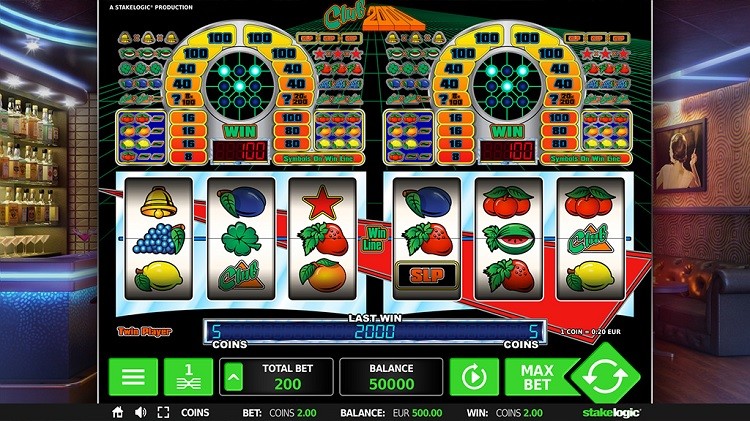
Wow — walking into a VR casino for the first time feels like stepping into a real high‑roller room, and that glowing progressive jackpot tower draws your eye straight away; it’s thrilling but also confusing for a newcomer, so let’s cut through the dazzle. In plain terms, progressive jackpots pool value from many bets and pay out enormous prizes occasionally, but the way they’re built changes everything about how you should play and manage risk. The next few paragraphs unpack the practical mechanics, the maths you can use to estimate value, and the behavioural traps that turn a fun session into a costly one, so stay with me as we move from concept to concrete rules you can use at the headset.

Hold on — before we dig into technicalities, picture two VR rooms: one where jackpots grow only from the table you’re at, and one where every player across multiple casinos feeds the same pot; those are very different animals. Local progressives add a sliver from local bets to a pool and usually top out sooner but pay less, while networked progressives take tiny bits from huge volumes and can reach life‑changing sums — a quick mental distinction that will shape strategy. I’ll explain how contributions work and how this changes expected value, then show simple examples you can run in your head or on the back of a napkin.

Article illustration

What a Progressive Jackpot Is — Mechanically

Something’s off until you see the ledger — progressive jackpots are not magic, they’re accounting: each eligible bet contributes a fixed fraction to the jackpot and the game’s RNG triggers a win condition when random/semi-random criteria are met, which then resets the pot. That small contribution is typically embedded in the game’s RTP breakdown, so the advertised RTP often already factors in the jackpot’s drain on normal payouts. Understanding that contribution rate (for instance, 0.2% of each bet) is the first practical step to evaluating whether chasing a progressive is worth your time, and next we’ll convert that into expected value terms so it’s not just feel‑based.

At first I thought a giant progressive meant a better deal, but then I checked the maths — the pot might be enormous, but the hit frequency is low and the per‑bet contribution reduces base returns, so your session volatility spikes. We’ll run through a mini‑case to show you how small contributions and long odds interact mathematically so you can see why bankroll sizing matters more than ever with progressives.

Types of Progressives You’ll See in VR Casinos

Short summary first: local, pooled/network, mystery, and jackpot‑linked slots are the common types you’ll meet in VR lobbies. Local progressives grow faster for a small pool; pooled networks grow slower but can be huge; mystery jackpots can pop randomly on eligible plays; and linked jackpots pay a share across multiple bet levels. Keep these categories in mind because each one implies a different edge and playstyle, and I’ll break down the pros and cons of each so your choice aligns with your goals.

On the one hand, local progressives can be approached like high‑variance slot sessions where wins are less catastrophic if you lose, but on the other hand pooled progressives might tempt you into reckless chase behaviour because a single spin could change your life — that psychological contrast matters when you set session limits, and you’ll soon see how to quantify that risk.

Mini Case: How Contribution Rate Changes Expected Value

Here’s a concrete example — imagine a VR slot with advertised RTP 96% excluding the progressive. If the progressive takes 0.5% of each bet, the effective RTP becomes 95.5% for normal payouts plus the progressive’s expected return. If the current progressive is $1,000,000 and the odds of winning that progressive on a single max bet are 1 in 50,000, the expected jackpot value per max bet is $1,000,000 / 50,000 = $20. If the max bet is $2 and that bet contributes 0.5% ($0.01) to the jackpot, your per‑bet expected jackpot contribution (from the pool perspective) is reflected in the odds above — these numbers tell you whether the progressive makes the game EV‑positive or not. Use simple division like this to judge any given pot, and next I’ll show how to fold this into an overall EV estimate that includes normal RTP and bet size.

At first glance, $20 expected per $2 bet sounds insane — but because those numbers depend on rare hit frequency and many players, the real EV is much lower after accounting for variance and the fact that advertised pool size may not reflect the real odds; this will guide the bankroll sizing I recommend shortly so you don’t blow out chasing a low‑probability dream.

How to Calculate a Practical EV for a Progressive Play

Quick rule: EV ≈ (normal RTP × bet) + (jackpot size / odds) − bet, which simplifies to expected return per bet; if positive, the game is theoretically profitable but only in expectation and usually requires huge samples. For example, using the numbers above in a single $2 bet: normal return = 0.955 × $2 = $1.91; expected jackpot return = $20; total expected return = $21.91; minus bet $2 gives EV = +$19.91 per bet — but that toy example assumes your 1/50,000 odds and $1M pot are accurate and that the jackpot isn’t shared or taxed; in real VR rooms these assumptions rarely hold, so always be conservative and check the official odds documentation. Next I’ll explain the caveats that typically kill positive EV in practice.

To be honest, most player‑facing jackpot calculations you find in lobbies are promotional and omit subtle details like meter contributions, shared payouts, or multiplier decay — those omissions are why you should verify the terms and always plan bankrolls around volatility rather than headline EV, which leads us into practical bankroll rules for progressive play.

Practical Bankroll Rules for VR Progressive Sessions

Rule of thumb: increase your usual bankroll by a factor tied to the hit frequency and the jackpot’s volatility: for extremely rare jackpots (1 in 50k+), treat each session as a high‑variance venture and set aside 100–200 bets of your target stake; for more frequent, smaller progressives, 30–50 bets may suffice. This isn’t exact science, but it helps prevent chasing losses after a big near‑miss; below I’ll give an example plan you can adapt to your own staking and headset comfort levels.

For instance, if you favour $1 spins in VR and the progressive hit frequency is 1/20,000, you shouldn’t expect a positive outcome in short runs; instead, allocate a bankroll that keeps you entertained for many hours without risking household money — the exact multiplier you pick should reflect your tolerance for swings, which I’ll outline in the Quick Checklist section.

Comparison Table — Progressive Jackpot Types

Type Typical Contribution RTP Impact Volatility Best For
Local Progressive 0.2%–1% per bet Small RTP drop High Casual players enjoying faster wins
Network/Pooled Progressive 0.01%–0.2% per bet Minimal visible RTP drop Very high Players chasing life‑changing jackpots
Mystery Jackpot Varies Usually hidden in RTP breakdown Unpredictable Thrill seekers who enjoy sudden wins
Linked Level Jackpots Higher at max bet Works like tiered RTP High at lower bets Players who can afford max stakes

Those categories give you a quick decision map — choose the type that matches the bankroll rules you’re comfortable with rather than chasing the biggest number you can see, because next we’ll look at behavioural traps that erode long‑term enjoyment and balance.

Where VR Changes the Psychology — and What To Watch For

Here’s the thing: VR adds immersion and social cues that amplify risk behaviour — seeing a giant avatar celebrate a huge progressive win nearby can spark instant FOMO and tilt, which increases impulsive bet sizes. To counteract that, use enforced session timers, set strict stop‑loss rules in your VR client’s settings if available, and avoid in‑world chat channels when you’re on a streak of losses. These small process controls do more for longevity than chasing a single jackpot win, and I’ll list concrete checklist items you can implement right after this section.

On the one hand immersive visuals enhance fun; on the other hand they can mask losses and numb your internal caution. That contrast is why the responsible play tools provided by licensed sites matter, and why you should verify a VR operator’s licensing, KYC and RTP disclosures before staking time and money, which brings me to a short note about trusted platforms and how to check them — including where to look if you want a fast crypto‑centric site with quick cashouts.

If you’re interested in trying reputable VR rooms that support crypto and fast payouts, check platforms like gamdom777.com which list their game types, progressive mechanics and banking options up front, giving you the transparency you need before you jump into a live VR session; after that, use the checklist below to make a player‑level decision. The next paragraph explains what to verify in any operator’s documentation.

Look for clear RTP disaggregations, jackpot contribution rates, and licensing info (for Australians, check whether the operator follows Curaçao licensing norms and lists KYC/AML policies), because those facts materially affect whether a progressive play makes sense as part of your entertainment budget or is just clickbait. I’ll now provide a Quick Checklist you can use before you deposit.

Quick Checklist (Use Before You Play)

  • 18+ only — confirm age and local legality. Keep documentation ready for KYC.
  • Find the jackpot contribution rate and whether RTP is inclusive or exclusive of the progressive.
  • Check hit frequency or odds documentation for the jackpot (if available).
  • Set session bankroll = your entertainment budget; avoid chasing deposit‑to‑recover rules.
  • Enable site responsible tools: deposit limits, time limits, reality checks and self‑exclusion.
  • Prefer operators with transparent payout and KYC timelines, especially for big wins.

Apply this checklist before you commit; next I’ll highlight the common mistakes players make and how to avoid them so the checklist actually protects your balance and mood.

Common Mistakes and How to Avoid Them

  • Chasing near‑misses — treat near‑miss as entertainment, not a signal; stop and step away if you feel compelled to increase bets.
  • Confusing jackpot size with true EV — always divide the pot by realistic odds before changing your stake.
  • Playing without limits in VR — use site tools or third‑party timers to prevent long drift sessions.
  • Ignoring fine print — read whether jackpots are shared, capped, taxed, or subject to verification delays.
  • Using too small a bankroll for very low hit frequencies — size your bankroll to handle long droughts without emotional decisions.

Each of those mistakes can blow a session quickly, so take small preventative steps like pre‑declaring a stop loss and keeping a physical timer outside your headset; next up I’ll answer a few common questions I get from mates trying VR jackpots for the first time.

Mini‑FAQ

Are progressive jackpots legal in Australia?

Short answer: it depends on location and the operator’s licensing — Australians can access some offshore sites but you must check local laws and avoid using VPNs to bypass restrictions; responsible gaming and age checks apply and operators will enforce KYC for larger withdrawals which protects both parties, and you should verify those rules before you register.

Can you calculate a fair chance of winning a progressive?

Yes — if the operator publishes odds or meter contribution and base game odds, you can compute expected jackpot return by dividing the pot size by the published hit odds; lacking that, treat the jackpot as a promotional element and avoid staking beyond your entertainment budget.

Do VR‑only jackpots differ technically from traditional online jackpots?

Not in core mechanics — they still use RNG and contribution ledgers — but VR adds social and sensory layers that affect player behaviour and can increase tilt; from a technical point of view, verify the same certifications (RNG audits, fair play statements) as you would for any online title.

Those answers give practical guardrails; below I’ll close with final practical tips and where to check for transparent operators if you want quick, crypto‑friendly play combined with progressive options.

Final Practical Tips and Responsible Gaming Reminder

Alright, check this out — if you plan a VR progressive session, set two limits before you put on the headset: a monetary cap (deposit and stop loss) and a time cap (session length). Combine these with the operator’s built‑in responsible tools, and if the platform offers transparent jackpot mechanics and fast, clear payouts, you’re in a better place to enjoy the novelty without undue risk. If you prefer a quick, crypto‑friendly entry point with clear game lists and payout options, explore sites like gamdom777.com while still applying the checklist and bankroll rules above; next, read the Sources and the short Author note to understand where this guidance comes from.

18+ only. Gambling should be entertainment, not income. If you face issues, seek help via Gamblers Anonymous or local support services; use deposit and time limits, and do not play with money needed for bills or essentials.

Sources

  • Industry RNG and RTP auditing standards (iGaming audit firms — public disclosures).
  • Responsible gambling resources and KYC/AML guidelines (local regulatory summaries).
  • Operator game rules and progressive jackpot documentation (operator T&Cs).

These sources reflect the types of documents you should check yourself on any operator’s site before playing, and they connect directly to the checklist above so you know what to read next.

About the Author

Experienced online‑casino player and analyst based in AU with years of VR lobby testing and a practical focus on bankroll preservation; I write guides to help beginners enjoy emerging formats without unnecessary risk, and I test platforms for payout transparency and player protections. If you want to dig deeper into VR game mechanics or request a walkthrough template for running your own jackpot EV calculations, I can draft a spreadsheet method next — which I’ll offer if you ask in follow‑up.

Hold on — bonuses look glossy, but most of their value is hidden in small print that punters skip; that’s where money gets stuck. In this piece I cut through hype and show you how to compare bonus policies with numbers, not slogans, so you leave with a clear checklist and realistic expectations that prevent surprise forfeits. The approach starts with the quick rules you should read and then demonstrates exact calculations so you can compare offers side-by-side.

Here’s the premise: two casinos can both advertise “200% bonus,” yet one costs you three times more to clear because of higher wagering and lower game weighting. That difference matters in real cash terms, so I’ll explain how to convert wagering requirements, caps and contribution weights into expected extra turnover and expected value (EV), which lets you compare offers on the same scale. After the math I’ll show quick case examples from the top 10 list and tell you what to watch out for before depositing.

Article illustration

Why the standard % match doesn’t tell the full story

Wow! Seeing “200% match” makes the heart race for a second, and you’re not alone in that impulse. But the match percentage only sets the starting figure — the real cost to you is the wagering requirement (WR), bet caps, game weightings and max withdrawal caps all combined. Read the WR and cap clauses closely because they determine the monetary effort needed to clear the bonus, and that’s the practical difference between a useful booster and a time sink.

At first glance you might measure value by bonus size alone, but then you’ll see a 40× wagering requirement that turns a $100 bonus into a $4,000 turnover obligation — that’s a major red flag for casual players. So instead, translate bonus terms into a simple metric: Required Turnover = (Deposit + Bonus) × WR, and Expected Betting Cost = Required Turnover × (1 / average bet outcome) adjusted for game RTP and house edge. We’ll use that conversion to compare the top 10 offers and show how to detect real value.

Key terms and the math you need (no fluff)

Hold on — a compact glossary first: “WR” means wagering requirement; “WR on D+B” means wagering applies to deposit plus bonus; “Game weighting” is the percent of a bet that counts toward WR; and “Max cashout cap” limits how much bonus-derived winnings you can withdraw. Know these and you’ll already out-read most players. Next I’ll show the formula you can plug into your calculator in under a minute to assess any offer.

Practical formulas I use daily: Required Turnover = (Deposit + Bonus) × WR; Effective Contribution = Bet × Game Weight; Effective WR in Spins = Required Turnover / Effective Contribution Per Spin; and Approximate EV Loss = Required Turnover × (House Edge) where House Edge ≈ 1 – RTP. These let you see both the workload and the statistical cost of clearing a bonus, and the next section uses these on real examples so you can spot good deals quickly.

Comparison table — side-by-side snapshot of policy essentials

Rank Casino Match WR Max Bet (bonus active) Max Cashout Game Weight Notes
1 Casino A 100% 25× (D+B) $5 $1,000 Slots 100% / Table 10%
2 Casino B 150% 30× (B only) $10 $2,000 Slots 100% / Live 5%
3 Casino C 200% 40× (D+B) $5 $500 Slots 100% / Table 2%
4 Casino D 50% + spins 20× (bonus only) $2 $750 Slots 100% / Specials weighted
5 Casino E 75% 35× (D+B) $5 $1,500 Slots 100% / Live 10%
6 Casino F 100% 30× (D+B) $5 $1,200 Slots 100% / Table 25%
7 Casino G 150% 45× (D+B) $5 $1,000 Strict limits and low live weighting
8 Casino H 100% + FS 20× (bonus only) $3 $800 Slots 100% / Some titles excluded
9 Casino I 65% 40× (D+B) $5 $600 Slots 100% / RTP-listed per game
10 Casino J 120% 30× (B only) $10 $2,500 High caps but strict max bet rules

That table gives a quick filter: lower WR on D+B and low max bet caps favor casual players, and that preview helps you decide which offers to model more closely using the formulas above before you commit. The next part runs two brief mini-cases that use those exact formulas so you can see numbers in action.

Mini-case 1: $100 deposit with 100% match vs 200% match

Hold on — let’s do the math so you don’t have to guess. Scenario A: $100 deposit + 100% bonus = $200 total, WR 25× (D+B). Required Turnover = $200 × 25 = $5,000. Scenario B: $100 deposit + 200% bonus = $300 total, WR 40× (D+B). Required Turnover = $300 × 40 = $12,000. The second offer feels bigger but requires more than double the turnover, which often makes it far less attractive unless you’re chasing long sessions.

Translate that into practical terms: if your average spin stake is $1 and slot RTP is 96% (house edge 4%), your approximate expected loss during the clearing play would be Required Turnover × 0.04. That’s $200 loss on Scenario A vs $480 on Scenario B — meaning Scenario B actually costs you more in expected losses overall despite the larger bonus. Use this quick EV check to reject hype-heavy deals and keep your risk appetite aligned with the true cost, which I’ll apply to real offers next.

Mini-case 2: How game weighting and max bet kills value

Here’s the thing — if table games only contribute 10% to WR, a $1 blackjack bet effectively counts as $0.10 towards clearing, so clearing via tables will take ten times longer than via slots. Pick your clearing strategy based on weights and allowable max bets because a $10 max bet on bonus-locked play can ruin the sensible progression of a low-stakes bankroll. Next, I’ll outline a simple decision framework to help you choose whether to accept a bonus at sign-up.

Decision framework: accept, negotiate, or pass

Hold on — a small decision tree is all you need: 1) Check WR on D+B vs B-only (B-only usually better); 2) Check max cashout cap; 3) Check max bet while bonus is active; 4) Check game weights and excluded titles; 5) Convert into Required Turnover and EV cost. If Required Turnover is > 10× your comfortable bankroll, pass or ask support for a lower-WR alternative — many sites offer negotiation for long-term players. This framework is short but nails the real-life decision, and below I provide a Quick Checklist you can print and use before deposit.

Quick Checklist (printable)

  • Is WR on deposit only or D+B? — Prefer deposit only.
  • What is Required Turnover (calculate it)?
  • What’s the max cashout from bonus wins?
  • What’s the max allowed bet when the bonus is active?
  • Which games are excluded or have reduced weighting?
  • Are there time limits for clearing the bonus?
  • Is the casino licensed and KYC/AML clear for Australia?

Use this checklist every time you evaluate a new sign-up offer; once you do the math, you’ll rarely be surprised by the results and next I’ll outline common mistakes players make and how to avoid them.

Common mistakes and how to avoid them

Wow — players repeatedly trip over a handful of avoidable errors. Mistake 1: Betting above the allowed max during bonus play and voiding the bonus — always set a personal bet cap below the site’s cap to avoid slips. Mistake 2: Assuming free spins or cashback are the same as matched funds — they’re not, because spins may be limited to low-RTP titles and cashback often has separate WR. Mistake 3: Not checking excluded games — big wins on excluded games can be confiscated or not count toward WR. The last sentence here previews a short FAQ you can use to answer the questions you’re likely to ask after reading these mistakes.

Mini-FAQ — quick answers

Q: How do I calculate required turnover quickly?

A: Multiply (Deposit + Bonus) by the WR and divide by your average effective bet (accounting for game weight). That gives you the number of spins/hands you’ll likely need to run. This method helps you estimate time and cost, which I discussed earlier.

Q: Are deposit-only WRs always better?

A: Usually yes, because the base you’re clearing is smaller, but check max cashout and game weights — a deposit-only WR with low max cashout can still be poor value, so consider the whole package before accepting an offer.

Q: Can I ask support to modify bonus terms?

A: Short answer: sometimes. Loyal or VIP players often get bespoke offers or negotiated WRs — it’s worth asking support if you plan to be a long-term player, and you should document any approvals in chat to avoid disputes later.

These FAQs cover the immediate operational questions most newbies have, and now I’ll mention a recommendation resource which some players find directly useful when they want a real site example to compare against the math above.

For a working example you can try modeling against an Aussie-focused platform with clear bonus wording, see the site linked here where terms are laid out with regional detail to help with these exact calculations. If you compare any new offer to the site’s structure, you’ll quickly see whether the newcomer is generous or just noisy in advertising, and the next paragraph explains how to log play evidence should you need to escalate disputes.

Keep records: save chat transcripts and take screenshots of bonus terms at the time of acceptance because disputes often hinge on timing and wording; if a site changes T&Cs mid-clear, you’ll need timestamps to support a complaint. If you ever need to escalate, independent dispute bodies (e.g., eCOGRA or IBAS where applicable) require clear documentation, so maintain that trail before you attempt any withdrawal — next I’ll point you to a short list of red flags to watch for immediately.

Red flags that mean “pass”

  • WR > 40× on D+B with strict max bet caps under $5 for realistic bankrolls.
  • Max cashout < 3× the deposit in combination with a high WR.
  • Many game exclusions without clear RTP listing.
  • Opaque KYC or deliberately slow withdrawal FAQ language.

If you spot any of those, either negotiate, ask for clarity, or walk away; in the next section I’ll summarise practical next steps and useful habits for safe bonus use as an Aussie player.

Practical next steps and safe-bonus habits

Hold on — before you accept any offer, use this short routine: 1) Copy the exact bonus T&Cs to a note and timestamp it; 2) Run the Required Turnover and EV calculation for your normal bet size; 3) Decide if the expected loss fits your entertainment budget; 4) If you go ahead, set strict deposit and session limits and use reality checks. Doing this protects your bankroll and gives you clarity in case of disputes, and below I close with sources and author credentials so you know this comes from practice, not theory.

For another hands-on reference you can construct similar models using a casino that publishes game RTP and weightings and compare directly against offers such as the sample structure at here where regional terms and several bonus formats are presented in an Australian-friendly layout — use it only as a comparator, not as an endorsement, and remember the final paragraph contains a responsible-gaming reminder for anyone tempted to overreach.

This article is for readers 18+ (or 21+ where local law requires). Gambling carries risk and should only be done with disposable income. If you feel your gambling is becoming harmful, use self-exclusion tools, deposit limits, and seek help from local services such as Gamblers Anonymous or Lifeline; keep KYC documents current to avoid payout delays, and always treat bonuses as entertainment budgets, not profit opportunities.

Sources

  • Real-world bonus T&Cs sampled from top industry casinos (2024–2025 public T&Cs).
  • RTP and game-weighting standards from independent testing agencies (eCOGRA, iTech Labs).
  • Practical dispute-resolution procedures (eCOGRA/IBAS public guidelines).

About the Author

Sienna Hartley — iGaming analyst and Australian-based player with a decade of hands-on experience comparing bonuses, supporting players through disputes, and modelling wagering outcomes for casual bankrolls; I write practical guides aimed at helping Aussies make safer, smarter choices when chasing promotions.

Hold on — before you drop into the first bonus or fire up a tournament, remember that poker and casino play are games of numbers, not just luck; learning a few core calculations will save you money and stress later. In this guide I’ll show the exact math you need for poker decisions and how to evaluate casino bonuses so you can pick the ones that actually add value. Read this first and you’ll make smarter choices at the table and the cashier, which leads us straight into the basics you must know now.

Why basic math matters more than luck

Wow — sounds boring, I know, but variance will chew through your bankroll quicker than a bad hot streak if you don’t manage edges and expected value. The fundamentals — pot odds, equity, expected value (EV), and bankroll sizing — are the building blocks of sensible play and bonus selection. Next we’ll define those terms in the simplest possible way so you can start applying them instantly.

Article illustration

Core poker math: pot odds, equity and EV

Quick observation: you don’t need a PhD to use pot odds; just a fraction and a little subtraction will do wonders for your fold/call decision-making. Pot odds = (cost to call) / (current pot + cost to call), and you compare that to your hand equity to decide. In practice, if the pot is $80 and a bet is $20 to you, you’re getting $20 / ($80 + $20) = 20% pot odds, so call only if your hand’s chance of winning is above ~20%, which leads into equity calculations that we’ll cover next.

Expanded point: equity is your chance to win at showdown given current cards; you can estimate it by counting outs. For example, holding four to a flush on the turn gives you 9 outs; your chance to hit on the river is roughly 9/46 ≈ 19.6%, which compares directly to pot odds and tells you whether a call is mathematically justified. The practical takeaway is immediate: when equity exceeds pot odds, a call is profitable in the long run, and we’ll show a quick formula to turn that into EV next.

Echo with a calculation: a simple EV formula for a single decision is EV = (equity × pot size if you win) − (cost to call × (1 − equity)). For the flush example: equity ≈ 0.196, pot after calling ≈ $100, cost to call = $20; EV ≈ (0.196×100) − (20×0.804) ≈ 19.6 − 16.08 = +$3.52, so the call is +EV and worth making if you face that exact situation. That concrete EV number shows how tiny edges add up over many hands, and next we’ll apply similar thinking to bonuses where edges are disguised by wagering rules.

Translating poker math to bankroll management

Here’s the thing: a positive EV decision still needs a proper bankroll to survive variance, otherwise a correct play that loses will feel catastrophic. A common beginner rule is to keep at least 20–50 buy-ins for cash games and many more for MTTs depending on your risk tolerance; this reduces the chance of ruin and keeps you in the game long enough for EV to materialise. With that in mind you’ll be better placed to hunt bonuses without overexposing your funds, which is the next topic we’ll cover.

Casino bonus hunting — the math they don’t advertise

Something’s off with most welcome bonuses: they look generous, but wagering requirements and game weightings eat into their value quickly, and you’ll need to compute the real expected value to decide if a bonus is worth your time. We’ll break down how to calculate the real cost of a bonus and give you simple heuristics for safe harvesting, and then show where to click if you want to compare live offers.

How to compute a bonus’s true cost (step-by-step)

Start with the numbers: deposit D, bonus B, wagering requirement WR (often expressed as x times D+B), and eligible game RTP and weighting. Effective turnover = WR × (D + B). If your average game RTP is R and your bet sizes are small relative to variance, approximate expected loss while clearing the bonus as (1 − R) × Effective turnover. This gives an expected monetary drag you must beat to break even, and we’ll work a real example next so it’s not abstract.

Concrete mini-case: deposit $100, get $100 bonus (so D+B = $200) with WR = 40× gives turnover = 40 × 200 = $8,000. If you play pokies averaging 96% RTP, expected loss ≈ (1 − 0.96) × 8000 = $320. That means on average you’ll lose $320 chasing the bonus before you can withdraw — not including bet-size variance or max-bet rules that can cancel the bonus — so that “200% match” is actually a negative-value offer for most players unless you value extra playtime more than expected cash. Notice how this calculation reveals the hidden cost and prepares you for smarter choices.

Which bonuses are worth chasing — a quick decision tree

Short list first: favour low WR (≤10×), bonuses on deposit-only (not tied to your deposit for WR in absurd ways), and games with high contribution rates and high RTP. Also check max cashout caps and max bet restrictions — they can nullify gains even if the EV math looks OK. We’ll compare common offer types (match, free spins, cashback) in a table so you can pick faster.

Offer Type Typical WR Best Use Quick Risk
Deposit Match 10×–50× Good if WR ≤ 15× and RTP ≥ 96% High WR or low max cashout
Free Spins 0–40× Valuable on low WR or no-WR FS Often limited to low-RTP pokies
Cashback Usually % of losses, low WR Solid bankroller insurance May exclude bonuses on deposit

Now that you can compare offers, a practical trick is to run the turnover × house-edge test we did earlier for any offer, and this leads into where you can find and evaluate actual promotions — I’ll mention a reliable aggregator that helps you snapshot offers in one place next so you don’t have to chase dozens of sites manually.

To make hunting easier, I use a shortlist of trackers and offer pages that present WR, eligible games and max cashout at a glance, which lets me filter dead-value promos quickly, and if you want a quick place to check current offers this link is helpful for live comparisons: get bonus. Use it as a starting point rather than a destination, and next I’ll show the micro-strategies to clear bonuses with minimal loss.

Micro-strategies to preserve bankroll while clearing bonuses

First tactic: bet small relative to remaining turnover — a fixed fractional bet (e.g., 0.1% of turnover target) smooths variance and reduces the chance of accidentally busting your wagering requirement before you’ve sampled enough RTP. Second tactic: prioritize high-weighting games (100% contribution) with the best RTP available because lower-weighted table games are often 5–10% to wagering and not worth using. These two rules keep your effective EV closer to the theoretical number, and next we’ll talk about timing and max-bet traps.

Timing matters: some promos limit days to clear WR; slow, steady play is safer than chasing a one-night shotgun attempt because variance can ruin you quickly. Also watch the “max bet while bonus active” rule — breaking it voids the bonus — so always check that before placing a bet. These operational details are what separate successful bonus hunters from people who lose money and blame the casino, which we’ll unpack in the common mistakes section below.

Quick Checklist: What to check before claiming any bonus

  • Wagering Requirement (WR) — calculate turnover = WR × (D+B) and expected loss with average RTP;
  • Game weightings — prefer offers that allow 100% pokies or high-RTP slots;
  • Max bet restrictions — always confirm the bet cap while bonus active;
  • Maximum cashout — ensure the cap doesn’t make the bonus pointless;
  • Expiry time — pick offers you can comfortably clear within the time limit;
  • KYC & deposit rules — verify payout conditions so withdrawals aren’t delayed.

Keep this checklist handy and run the turnover test on every new offer — doing that consistently will preserve your bankroll and cut the chasing behaviour that causes most losses, and next we’ll look at pitfalls to avoid so you don’t make rookie errors when deals look shiny.

Common mistakes and how to avoid them

  • Chasing high WR offers because “it’s free money” — avoid unless you value playtime above cash; compare expected loss first;
  • Trying to “beat” weightings by alternating games — simpler to pick a single high-weight, high-RTP slot and stick to it;
  • Ignoring max-bet rules and getting voided wins — read T&Cs and take screenshots of the rules page;
  • Insufficient bankroll for variance — scale your bet size according to turnover, not ego;
  • Delaying KYC until cashout — verify early to avoid payout holds that wreck your plans.

Each of these mistakes is fixable with a small checklist and a calm approach, and to make this even more actionable I’ll answer a few targeted FAQs that beginners always ask.

Mini-FAQ

Q: Is a 40× WR ever worth it?

A: Rarely, unless the bonus amount is tiny or you value extra playtime more than expected cash; always run turnover × house-edge to quantify the expected loss first and use that number to decide.

Q: How do I pick games to meet wagering requirements?

A: Choose games that count 100% to wagering and have the highest RTP you can find; avoid low-weighted table games unless the casino explicitly provides good conversion rules.

Q: When should I walk away from a bonus?

A: When expected loss exceeds the entertainment value you’re willing to pay or when KYC/drawing restrictions make the bonus practically unusable; in other words, cut losses early and preserve bankroll.

Those answers give immediate rules to apply in the heat of the moment, and for people who want a fast aggregation of offers and terms I recommend checking a consolidated offer page as part of your routine so you can compare side-by-side quickly.

If you prefer a starting point to compare live promos and see up-to-date wagering rules, I often use a quick aggregator which lists WR, max cashout and eligible games in one view — a practical shortcut is to follow links like this to snapshot current offers: get bonus. Use it carefully as a research tool and always run the math on any offer you consider, because that leads directly into the final recommendations below.

Final recommendations & responsible play reminder

To wrap up: learn pot odds and EV for poker, always size your bankroll to survive variance, and for casino bonuses run the turnover × house-edge test before touching a single promo. Keep bet sizes proportional to the wagering turnover, prioritise low WR and high RTP, and verify KYC early so payouts aren’t delayed; these habits make the difference between a fun hobby and a costly trap. The next sentence is a responsible-gaming reminder and a closing bridge to the sources and author note.

18+ only. Gambling should be for entertainment; set deposit and time limits, use self-exclusion if needed, and seek help from Gamblers Anonymous or Gambling Therapy if play becomes a problem. This guide is informational, not financial advice, and the math here helps you make safer, more informed choices before you bet or claim bonuses.

Sources

  • Basic probabilities and outs calculations — common poker math references and practical calculators;
  • Average slot RTP benchmarks — developer-provided and aggregated market data (industry reports 2023–2025);
  • Responsible gaming resources — Gamblers Anonymous, Gambling Therapy.

These sources are typical starting points to verify numbers and to learn deeper modelling techniques, and they provide the evidence base for the calculations and recommendations just explained.

About the Author

I’m a practical poker player and analyst from AU with years of tournament and cash-table experience, plus several seasons evaluating casino promotions across multiple jurisdictions; I write to reduce the guesswork for beginners and translate opaque T&Cs into clear numbers so you can protect your bankroll. If you want more worked examples or a calculator template, ask and I’ll share a spreadsheet and step-by-step walkthrough to speed up your bonus evaluations.

¡Alto ahí! Antes de lanzarte a usar cashout en vivo: respira, revisa el monto y calcula el impacto real en tu bankroll, porque no siempre aceptar el cierre es la mejor jugada. Esta primera recomendación te ahorra errores caros y devuelve control inmediato sobre la apuesta, lo que es especialmente útil para jugadores novatos que todavía no miden la varianza. La siguiente sección desglosa exactamente cómo funciona el cashout para que puedas decidir con números en la mano.

El cashout es una función que permite liquidar una apuesta antes de que termine el evento, recibiendo un importe que depende de la probabilidad actual y del mercado. En la práctica, esto significa que puedes asegurar una ganancia parcial o limitar una pérdida cuando el partido o evento no va como esperabas, y entender la fórmula detrás del importe te ayuda a tomar decisiones mejores y menos emocionales. Más adelante verás ejemplos numéricos que muestran cuándo conviene y cuándo no conviene cerrar una apuesta, y cómo compararlo con opciones alternativas.

Ilustración del artículo

Cómo calcula la casa el cashout (explicado paso a paso)

Primero, la casa recalcula la probabilidad implícita del resultado tras cambios en el evento, y luego aplica su margen. Esa es la mecánica básica, pero traducida a práctica implica tres factores: cuota original, cuota actual y la comisión del operador, que reduce lo que te ofrecen. A partir de aquí, entenderás por qué la oferta de cashout es menor que el valor teórico que puedes estimar en frío.

Ejemplo práctico: apostaste $10 a cuota 3.00 (potencial $30). A mitad del partido, el algoritmo estima que la probabilidad de ganar pasó del 33 % al 20 % y te ofrece un cashout de $6. Si aceptas $6 evitas terminar con $0 o $30, y si rechazas mantienes la opción de ganar $30 o perder los $10. En la práctica, la decisión dependerá de tu tolerancia al riesgo y del tamaño de tu bankroll —una regla simple: si el cashout cubre al menos el doble de tu pérdida máxima tolerable, considera aceptar. La siguiente sección te muestra comparativas para distintos perfiles de jugador.

Tipos de cashout y cuándo usar cada uno

Hay tres modalidades comunes: cashout total (cerrar toda la apuesta), cashout parcial (cobrar parte y mantener el resto) y auto-cashout (reglas previas para cerrar automáticamente). Cada opción tiene ventajas según tu estrategia: un corredor cauteloso preferirá parcial o auto-cashout programado, mientras que un arriesgado rechazará ofertas que “aseguren” poco. Ahora veremos una tabla comparativa que ayuda a elegir según escenario.

Modalidad Ventaja Riesgo Recomendado para
Cashout total Liquidez inmediata; evita pérdidas mayores Pérdida de upside si remontas Jugadores conservadores en eventos volátiles
Cashout parcial Equilibrio entre asegurar y seguir optando Requiere cálculo mental más fino Jugadores con bankroll planificado
Auto-cashout Evita decisiones impulsivas; actúa por reglas Puede activarse en momentos subóptimos Quienes prefieren disciplina automática

Antes de seguir: piensa en tu objetivo —¿proteger saldo o maximizar expectativa?— porque tu elección de cashout debe depender más del plan financiero que de la presión del momento, y en la siguiente sección te doy una mini-regla práctica para aplicar de inmediato.

Mini-reglas prácticas (para usar cashout sin perder la cabeza)

  • Regla 1: define tu pérdida tolerable por apuesta y compara la oferta de cashout con esa cifra; si la oferta lo cubre, ciérrala.
  • Regla 2: usa cashout parcial cuando la oferta sea al menos 50% del valor esperado restante y quieras mantener upside.
  • Regla 3: evita decidir cashout después de un evento emocional (una mala racha o un gol inesperado), espera 30–60 segundos para evaluar.

Estas reglas reducen la impulsividad y te permiten tomar decisiones más racionales, lo que te lleva a la siguiente sección sobre errores comunes que veo entre jugadores nuevos.

Errores frecuentes y cómo evitarlos

Muchos aceptan ofertas de cashout por pánico o las rechazan por orgullo; otros confunden la cuota actual con la expectativa real. Errores típicos: aceptar siempre, rechazar siempre, no considerar comisiones ni impacto fiscal. Si evitas estas tres trampas, mejoras tus resultados a mediano plazo. Abajo tienes una lista práctica de errores con soluciones concretas.

  • Creer que cashout = “robo” del operador → solución: calcula la expectativa tú mismo antes de decidir.
  • Aceptar por impulso tras una jugada negativa → solución: regla de espera de 30 s y usar parcial si dudas.
  • No leer T&C del cashout (limitaciones, montos mínimos) → solución: revisa reglas en la sección de ayuda antes de apostar.

Con esto en mente, ahora pasamos a cómo la regulación de publicidad influye en la oferta y percepción del cashout entre los usuarios.

Regulación de la publicidad de apuestas en Chile: qué afecta al jugador

La publicidad de apuestas en Chile está bajo presión regulatoria creciente; las normas buscan evitar incentivos engañosos, promociones dirigidas a menores y mensajes que normalicen el juego como solución económica. Esto cambia la forma en que los operadores comunican herramientas como el cashout: menos “vende-humo” y más transparencia en condiciones. A continuación explico las obligaciones típicas que debes esperar en anuncios y por qué importan para tu decisión de uso.

En la práctica, un anuncio regulado debe incluir: indicación de 18+, mensajes de juego responsable, condiciones clave del bono (rollover, métodos excluidos) y la ruta para autoexcluirse. Dado que esto afecta la percepción, los operadores honestos colocan enlaces a secciones de ayuda y responsables del juego dentro de la misma campaña, lo cual ayuda a formarte mejor como apostador. Más adelante muestro cómo verificar estos elementos antes de confiar en una promoción.

Cómo detectar publicidad responsable vs. engañosa

Busca señales claras: si la promo oculta condiciones o promete ganancias “fáciles”, es sospechosa. Verifica: ¿hay leyenda 18+? ¿aparecen límites y contactos de ayuda? ¿el bono muestra rollover? Si falta todo eso, baja la guardia. Te doy una lista rápida de elementos que deben aparecer en cualquier anuncio legítimo para que no te vendan humo y pases a la sección con ejemplos y casos prácticos.

Ejemplos prácticos y mini-casos

Caso A (partido local): apostaste $5 al resultado, después de 60’ te ofrecen $3,50 de cashout. Si tu pérdida tolerable era $5 y prefieres asegurar, el cashout es razonable; si tu objetivo era multiplicar saldo a largo plazo con pequeños riesgos, podrías rechazar. Caso B (apuesta combinada): una selección falla y te ofrecen $2 de cashout por la combinada que originalmente valía $50; generalmente no conviene, salvo que tu bankroll sea muy pequeño. En la siguiente sección verás una checklist que resume estos criterios para aplicar en 30 segundos.

Checklist rápido: decidir cashout en 30 segundos

  • ¿La oferta cubre tu pérdida máxima tolerable? Sí → aceptar.
  • ¿Es una apuesta combinada con gran upside restante? Sí → evaluar parcial o rechazar.
  • ¿Hay noticias/lesiones que cambien significativamente el evento? Sí → preferir cerrar.
  • ¿El cashout tiene comisiones o límites visibles? No → revisar T&C antes.

Usa esta checklist cada vez que te lancen una oferta y, si quieres probar plataformas con información clara sobre cashout y promociones, consulta una referencia práctica y local como la siguiente.

Si quieres explorar una plataforma que integra cashout y métodos de pago locales, visita 20bet-chile.com para ver cómo presentan esas opciones y sus condiciones, lo que te ayuda a comparar en contexto real y con ejemplos visibles en su ayuda. Esa comparación te servirá para elegir según tu estilo de juego y necesidades de seguridad, y en la siguiente sección te doy un mini-FAQ con dudas habituales.

Mini-FAQ (preguntas rápidas que te harán falta)

¿El cashout siempre es “menos rentable” que esperar al resultado?

No necesariamente; depende de tu aversión a la pérdida y del valor esperado. El cashout incluye margen del operador, pero reduce varianza y puede aumentar tu rentabilidad psicológica y de bankroll si evita decisiones erráticas posteriores.

¿Puedo usar cashout en apuestas combinadas?

Sí, pero la oferta suele ser proporcional al estado de cada selección y puede ser muy baja si una selección está muy comprometida; evalúa parcial si está disponible.

¿La publicidad de cashout debe mostrar condiciones?

Sí. En mercados regulados los anuncios deben incluir 18+ y referencias a T&C y juego responsable; si no aparecen, sospecha de la promoción.

Conclusión práctica y recomendaciones finales

El cashout es una herramienta útil si la usas con reglas claras: define tus límites, utiliza la checklist y evita decisiones emotivas; así reduces pérdidas y preservas chances de seguir jugando con control. Además, verifica siempre la transparencia en la publicidad antes de confiar en una oferta, y si quieres comparar un operador que muestra cashout y métodos de pago locales detalladamente, revisa su sección de ayuda y condiciones para comprobar comisiones y límites.

Para ver cómo se presentan estas herramientas en una casa de apuestas con foco en Chile y en español, puedes revisar ejemplos en 20bet-chile.com y comparar sus términos de cashout, métodos locales y políticas de juego responsable, lo que te permitirá decidir con información directa del operador. Finalmente, recuerda: juega solo con lo que estés dispuesto a perder y usa límites y autoexclusión si sientes que pierdes control.

18+: Este contenido es informativo y no promueve el juego entre menores. Si el juego te genera problemas, busca ayuda profesional y utiliza las herramientas de autoexclusión disponibles en las plataformas.

Fuentes

  • Documentos regulatorios y guías de juego responsable (entidades locales y publicaciones regulatorias).
  • Materiales técnicos de proveedores de cuotas y gestión de riesgo (informes de mercado y whitepapers).
  • Experiencias y manuales operativos de plataformas de apuestas (secciones de ayuda y T&C de operadores).

Sobre el autor

Federico Romero, iGaming expert. Con más de 8 años analizando mercados de apuestas en América Latina, escribo guías prácticas para jugadores responsables y operativos del sector, combinando experiencia técnica con casos reales del día a día.

Guía práctica para novatos: cómo entender y aplicar modelos de probabilidad en ligas de fantasy, con ejemplos numéricos, checklist rápido, errores comunes y recursos para jugar responsablemente.

¡Alto! Empieza con lo práctico: si vas a tomar decisiones en fantasy, necesitas números claros.
Observa tus cuotas y convierte estimaciones en probabilidades; así evitas apuestas emocionales.
En esta guía verás métodos simples para estimar probabilidades por jugador y por partido, ejemplos reales con cálculos y una tabla comparativa de enfoques.
Los próximos pasos te mostrarán cómo pasar de datos crudos a decisiones consistentes.
Pero antes, aclaremos qué entendemos por “modelo” y por qué importa aquí.

Un modelo es, en esencia, una regla para transformar información en una probabilidad.
Corto: sin modelo, opinas; con modelo, mides.
Mediano: los modelos van desde reglas heurísticas (por ejemplo, “si un jugador promedia 20 pts, su probabilidad de 25+ es X”) hasta modelos estadísticos (regresión, Poisson, Monte Carlo).
Largo: uno práctico combina histórico (rendimiento real), contexto (tipo de rival, localía, lesiones) y ajuste por varianza para producir una probabilidad que puedas comparar con las cuotas del mercado.
Esto nos lleva a cómo construir un modelo simple paso a paso.

Ilustración del artículo

Construyendo un modelo básico (paso a paso)

Empieza con datos: puntos/participación por partido, minutos jugados, porcentaje de acierto y ritmo del equipo.
Breve: los datos son la materia prima.
Sigue: normaliza por minutos para comparar jugadores con roles distintos.
Luego: aplica una distribución razonable (por ejemplo, normal o Poisson según la métrica) para estimar probabilidades de eventos (p. ej., >20 puntos).
Finalmente: actualiza el modelo con información de última hora (alineaciones, lesiones, clima).
Ahora veremos un ejemplo numérico sencillo que puedes replicar en una hoja de cálculo.

Ejemplo práctico: probabilidad de que un jugador supere 20 puntos

Observa: Juan Pérez promedia 18.5 puntos en 32 minutos; desviación estándar observada 6.
Primero normalizamos: su media por minuto = 18.5/32 = 0.578 pts/min.
Si esperamos que juegue 30 minutos, media esperada = 0.578×30 = 17.34 pts.
Asumamos distribución normal (aprox. razonable aquí) con σ ajustada por minutos: σ_30 = 6×(30/32)^0.5 ≈ 5.48.
La probabilidad de >20 = 1 − Φ((20−17.34)/5.48) ≈ 1 − Φ(0.49) ≈ 1 − 0.69 = 0.31 (31%).
Este porcentaje lo comparas con la “cuota implícita” del mercado para decidir.
A continuación veremos cómo convertir esa probabilidad en edge y decidir si vale la pena jugar.

Evaluando valor: convertir probabilidad en decisión

Si la probabilidad que calculas (p_est) es mayor que la probabilidad implícita por la cuota (p_market), existe valor esperado positivo.
Corto: p_est − p_market = diferencia crítica.
Mediano: conviertes la cuota (decimal) en p_market = 1/cuota. Por ejemplo, cuota 3.0 → p_market = 33.3%.
Largo: si p_est = 40% y p_market = 33.3%, el valor esperado por apuesta de $100 es (0.40×200 − 0.60×0) − 100×(1/0) — simplificando: EV ≈ (p_est − p_market)×stake/ p_market? No, usa la fórmula directa: EV = p_est×(cuota−1)×stake − (1−p_est)×stake. Así puedes calcular el retorno esperado.
La siguiente sección muestra las limitaciones y cómo ajustar por sesgos.

Ajustes prácticos: varianza, sesgos y límites del modelo

Mi instinto dice: cuidado con sobreajustar a datos recientes; el sesgo de confirmación es real.
Regla: combina un componente histórico (70%) y otro reciente (30%) para evitar reaccionar a una sola buena racha.
Ajusta por varianza usando límites de apuesta (p. ej., regla Kelly fraccional al 10–20%).
Si el modelo indica edge, no apuestes en exceso; limita exposición según tu bankroll.
Estas medidas te protegen de la falacia del jugador y del overfitting; ahora veremos herramientas y enfoques comparados.

Comparativa de enfoques: simple vs. estadístico vs. simulación

Enfoque Complejidad Ventaja Desventaja Cuando usar
Reglas heurísticas Baja Rápido y transparente Poco preciso en casos complejos Decisiones rápidas en ligas pequeñas
Modelos estadísticos (regresión) Media Mejor ajuste y control de variables Requiere datos y limpieza Temporadas completas y análisis de jugadores
Simulaciones (Monte Carlo) Alta Captura varianza y escenarios extremos Computacionalmente intensivo Evaluar múltiples jugadores y lineups

Con esto en mano, si buscas plataformas donde probar estrategias y comparar resultados en vivo, conviene explorar operadores con datos claros y herramientas de estadística integradas, y aquí es donde plataformas comerciales pueden ayudar.
Por ejemplo, muchos jugadores revisan opciones en sitios con oferta variada y soporte para apuestas de fantasy; puedes consultar una plataforma para ver su catálogo y herramientas antes de comprometerte.
Una opción práctica para revisar ofertas y promociones es casumo official, que muestra su gama de mercados y bonos, lo que facilita comparar si una apuesta tiene valor.
La siguiente sección aborda cómo gestionar el bankroll en la práctica.

Gestión de bankroll y sizing (regla Kelly simplificada)

Idea rápida: no arriesgues más del 1–2% del bankroll en una apuesta estándar.
Si usas una versión fraccional de Kelly: f* = (bp − q)/b, donde b = cuota−1, p = probabilidad estimada, q = 1−p.
Ejemplo: cuota 3.0 (b=2), p=0.40 → f* = (2×0.40 − 0.60)/2 = (0.80 − 0.60)/2 = 0.10 → 10% Kelly. Fraccional al 25% → 2.5% del bankroll.
Regla práctica: multiplica f* por 0.25 para proteger de errores de modelado.
Esto nos conduce a errores comunes que debes evitar.

Errores comunes y cómo evitarlos

  • No actualizar por noticias de última hora (lesiones, cambios de alineación). Solución: check-in 1 hora antes.
  • Usar datos sin limpieza (outliers, dobles contajes). Solución: revisar y truncar extremos.
  • Apostar por ego (apoyo a un jugador favorito). Solución: seguir tu modelo, no el fanatismo.
  • Olvidar el coste del rake/comisión en ligas que aplican fees. Solución: incluir fees en el cálculo del EV.

Evitar estos errores reduce pérdidas innecesarias y mejora la consistencia de tu estrategia.
Ahora, un checklist rápido para poner todo en práctica.

Quick Checklist — para usar antes de apostar

  • ¿Tengo p_est calculada y documentada?
  • ¿Comparé p_est con p_market (1/cuota)?
  • ¿Ajusté por minutos esperados y condición física?
  • ¿El stake respeta la regla de bankroll (ej. ≤2%)?
  • ¿Verifiqué promociones y restricciones en la plataforma donde apostaré?

Si respondiste “sí” a todo, estás en mejor posición que el 80% de los que apuestan sin método.
A continuación, veremos herramientas y recursos que facilitan implementar lo anterior.

Herramientas recomendadas y recursos

Para novatos: hojas de cálculo con plantillas de simulación y tablas pivot son suficientes.
Intermedio: R o Python con pandas para limpieza y scikit-learn/Statsmodels para modelos.
Avanzado: pipelines que refrescan datos cada partido y corren simulaciones Monte Carlo para múltiples ligas.
Además, algunas plataformas ofrecen historial y estadísticas integradas; revisar estas funciones puede acelerar tu curva de aprendizaje.
Si quieres explorar un operador con interfaz limpia y menús de mercado claros para practicar, revisa casumo official y compara sus mercados antes de aplicar apuestas reales.
Esto conecta con el apartado de juego responsable que sigue.

Mini-FAQ

¿Qué probabilidad considero buena para apostar?

Depende de la cuota: busca apuestas donde p_est exceda p_market en al menos 5–8 puntos porcentuales para cubrir errores de modelado. Esto sirve como margen de seguridad.

¿Puedo usar el mismo modelo para todas las ligas y formatos?

No exactamente; ajusta el modelo por la naturaleza de la liga (ritmo, scoring rules, número de jugadores por roster). La calibración por liga es esencial.

¿Con qué frecuencia debo recalibrar mi modelo?

Recalibra mensual durante la temporada, y siempre tras eventos que cambien la dinámica (traspasos, lesiones masivas). Mantén un registro para validar cambios.

18+. Juega responsablemente. Este contenido es informativo y no garantiza ganancias. Si el juego te causa problemas, busca ayuda profesional y usa herramientas de autoexclusión; revisa también políticas KYC/AML de la plataforma elegida antes de depositar.

Fuentes

  • https://www.mga.org.mt
  • https://www.ecogra.org

Sobre el autor

Diego Martínez, iGaming expert. Con más de 6 años trabajando en análisis de datos aplicados a apuestas y fantasy, asesoro a jugadores y equipos en México sobre modelado estadístico y gestión de riesgos.

Quick, practical steps first: implement an Anycast-backed CDN, enable a tiered scrubbing service, and configure an upstream DDoS mitigation agreement with your host — do these three things now to cut the blast radius of most volumetric attacks. These immediate moves will let you keep user sessions alive and preserve wallet operations under stress, which is critical for player trust and regulatory reporting in AU.

Next, harden the application layer: deploy a Web Application Firewall (WAF) tuned for gaming traffic, enable rate limits on API and auth endpoints, and add connection caps per IP to your game servers — these reduce session-flood and credential-stuffing vectors. Doing so buys you time to escalate to your provider or scrubbing partner, which is the difference between a degraded service and a multi-hour outage.

Article illustration

Why DDoS Protection Is Business-Critical for Online Casinos

Here’s the blunt truth: when a live event (new MEGAWAYS release or tournament) draws traffic spikes, attackers often aim to maximize reputational damage rather than extort money, so your platform must be resilient by design. Preparing for attacks should be part of your release checklist, because downtime during a promotion costs deposits, customer confidence, and regulator scrutiny in AU. Readiness therefore needs both preventative controls and a practiced incident response plan to be genuinely effective, and that leads into how network and application controls should be layered.

Layered DDoS Mitigation: A Practical Architecture

Start with network-level defences: Anycast DNS and upstream scrubbing (via a provider like Cloud/Scrub network) to soak up volumetric floods, then add transport controls (SYN cookies, RST rate limits) at your edge routers to mitigate connection exhaustion. This network foundation should then hand off traffic to an application layer stack where WAF rules and API gateways perform behavioural checks. The layered approach lets you escalate filtering progressively rather than dropping traffic wholesale, which keeps legitimate players connected while filtering attackers.

Recommended Tools & Providers (Comparison)

Approach / Vendor Strengths Limitations Best for
Cloudflare (Spectrum + WAF) Fast Anycast, simple setup Can be costly under large attacks SMB to mid-market casinos
AWS Shield Advanced Deep integration with AWS infra, managed scrubbing Requires AWS-centric architecture Large operators on AWS
Akamai Kona + DDoS Enterprise-grade scrubbing, global reach Complex onboarding; pricier High-traffic casinos & launches
On-prem scrubbing + ISP peering Control & lower ongoing costs High capital + maintenance Very large operators with ops team
Hybrid (CDN + Scrub provider) Balance of cost and performance Requires coordination between vendors Most practical for mid-size sites

Choose a model that aligns with your traffic patterns and release cadence, and make sure SLAs cover absorption capacity and response time because those metrics matter when you’re under pressure. The next section explains the operational playbook you should rehearse with vendors.

Operational Playbook: What to Practice Before an Attack

Run tabletop exercises: simulate a 200Gbps UDP flood and a concurrent HTTP API spamming attempt, confirm escalation contacts at your CDN and scrubbing partner, and validate recovery times for login, deposit, and withdrawal flows — these are the business-critical paths to test. Pre-authorised mitigations (e.g., enabling aggressive caching or redirecting traffic to a scrubbing centre) save minutes and reputation during real incidents, so bake them into runbooks and test quarterly to keep the team sharp for live events.

Case Study: Launch Night for a New Megaways Title (Hypothetical)

Imagine a new Megaways release with heavy marketing to AU players; traffic spikes 5× during the first two hours and an attacker launches an HTTP flood targeting the game-API. If you’ve configured autoscaling plus a WAF rule that blocks malformed requests and rate-limits per-session, you maintain table and lobby availability while redirecting suspicious traffic to a scrubbing node. This is how layered defences keep revenue streams open and allow customer support to focus on player communications rather than firefighting. The next section dives into Megaways specifics that make these launches particularly sensitive.

Megaways Mechanics: What Operators & Players Need to Know

Megaways slots use a variable-reel system where the number of symbols per reel changes each spin, creating thousands to hundreds of thousands of “ways” to win; this highly variable payout distribution increases short-term volatility and affects session duration and bet behaviour. Operators must account for this in capacity planning because heavy swings can produce sudden betting bursts (players increasing stakes after small wins), which in turn raises concurrent connection and transaction load during big cascades, so infrastructure planning must reflect these patterns.

From a product and compliance perspective, Megaways titles often have cascading wins, free-spin triggers, and bonus retriggers — features that concentrate spin activity and payment calls into short windows, and that means your API and wallet services must tolerate bursty loads and be properly rate-limited to prevent abuse while still preserving player experience. Understanding these mechanics also helps fraud ops spot abnormal play patterns that could be bot-driven, which we cover in the checklist below.

Integrating Security, Fair Play & AU Compliance

Make KYC and transaction monitoring resilient: ensure that KYC verification endpoints can be prioritized during mitigation and that large withdrawal validations are kept atomic and auditable to meet AU AML expectations. Align your incident reporting with local regulatory needs, so if an attack impacts payouts or data, you can produce timelines, logs, and mitigation actions quickly — regulators expect evidence of preparedness and clear remediation steps, and this expectation should drive your logging and retention policies.

Balancing player experience and security also means offering alternatives during mitigation: temporarily limiting max bets, disabling new tournaments, or surfacing a clear banner to affected players explaining the situation and expected ETA for restoration. Clear communications reduce ticket volume and help maintain trust while engineers work through mitigation actions, which is the segue into the actionable checklist below.

Quick Checklist — Immediate & Short-Term Actions

  • Enable Anycast DNS and CDN routing — immediate defense against volumetric floods, and keep that DNS TTL low for rapid changes.
  • Activate managed scrubbing with pre-authorised failover — saves precious minutes during an attack.
  • Harden WAF rules for gaming traffic patterns — block credential stuffing and malformed API calls.
  • Rate-limit wallet and auth endpoints per IP and per account — protect the most sensitive flows.
  • Prepare a communications template for players and staff — transparency preserves trust during mitigation.

Use this checklist before major releases and rehearsals to make your operations predictable under pressure, and note that some items (like scrubbing contracts) require lead time to procure and test which leads naturally into common mistakes to avoid.

Common Mistakes and How to Avoid Them

  • Assuming cloud provider default protections are sufficient — verify attack threshold and activation procedure with written SLAs to avoid surprise limitations.
  • Failing to test WAF rules with real-game traffic — false positives during a launch can be as damaging as an attack, so stage tests carefully.
  • Not throttling wallet endpoints separately from content delivery — treat payments as priority traffic and design separate paths.
  • Leaving incident communication to chance — pre-approved messages and escalation trees reduce confusion.

Avoid these mistakes by scheduling vendor drills, testing in production-like environments, and documenting every change — the final section provides FAQs for quick reference.

Where to Find Trusted Mitigation Partners (and a Practical Link)

When selecting vendors, prioritise those with published mitigation capacities, strong Anycast networks, and a track record with gaming customers; for a hands-on start, you can go sign up and test promotions with trusted partners or offers once your technical house is in order, and you might even want to claim bonus as part of a controlled launch test that exercises both marketing and platform scale under benign conditions. Choosing partners who understand both finance flows and slot traffic patterns reduces the chance of misfires during mitigation, which is something every operator should aim for.

Mini-FAQ

Q: How much scrubbing capacity do I need?

A: Plan for at least 2–3× your peak normal traffic plus the largest public attack size reported in your region; vendors can advise but insist on a written absorption SLA and escalation window so you’re not surprised during peak events, and this naturally leads to budgeting considerations.

Q: Will DDoS mitigation break live game sessions?

A: If configured aggressively it can, which is why progressive filtering and session-aware WAF rules are recommended — test these in a staging environment during low-traffic windows so you learn the right thresholds before they matter in production, and that testing informs your mitigation playbooks.

Q: Do Megaways mechanics change RTP?

A: No — the theoretical RTP is set by the game provider, but the variable ways and cascades increase short-term variance which impacts player session behaviour; operators should prepare for bursty wagering rather than change RTP expectations, and use logging to reconcile volatility spikes during audits.

If you want a practical vendor shortlist or a template runbook to test with your team, it’s sensible to engage a provider now and schedule a test window before your next big release, and you can also claim bonus as part of a staged load test to validate player experience under benign peak conditions.

18+ only. Gamble responsibly — set deposit and session limits, and use self-exclusion tools if needed; this guide focuses on platform protection and gaming mechanics for compliance-aware operators in AU. The advice here does not replace legal counsel or certified security consulting.

Sources

  • Vendor whitepapers (Cloudflare, AWS Shield, Akamai) — mitigation and Anycast architectures.
  • Gaming provider technical notes on Megaways mechanics and RTP disclosures.
  • AU AML/KYC guidance and regulator reporting expectations.

About the Author

Experienced platform engineer and former casino ops lead based in AU with hands-on incident response for gaming launches; I specialise in high-traffic release engineering, DDoS mitigation, and compliance-ready deployment practices — feel free to reach out for a vendor shortlist or a runbook review.

Wow — roulette has always felt simple: a wheel, a ball, and a stack of bets, yet the new Lightning variants have forced me to rethink that neat picture, and you should too because the way payouts are structured now changes basic bankroll math in a hurry, which matters for anyone dipping a toe in. This piece starts with what actually changes at the table and then walks you, step by step, through practical checks and small calculations so you can judge value rather than hype, and it’s aimed squarely at beginners who want to play smart rather than blindly chase lights.

Hold on — the headline change with Lightning Roulette is random multiplier events that boost certain straight-up numbers for a single spin, which on paper looks like a windfall but in reality alters variance and the effective house edge in ways that aren’t obvious at first glance; we’ll show you how to translate those multipliers into expected value (EV) and sensible bet sizing so you don’t fall for flashy math. First though, a quick visual primer on how the feature works, because understanding mechanics makes the calculations less scary and more actionable for your next session.

Article illustration

What Lightning Roulette Actually Does (Short and Practical)

Here’s the thing: Lightning variants randomly pick a handful of straight-up numbers before the spin and apply multipliers (x50, x100, etc.) to wins on those numbers, but the standard straight-up payout (e.g., 35:1) generally still applies, so the advertised top multipliers are on top of, not instead of, the base payout; that mix of fixed payout plus occasional boosted wins skews volatility and can lower or raise the expected return depending on multiplier distribution. To make this useful, we’ll convert an example multiplier mix into a simple EV check you can run in under a minute, because knowing the EV is far more practical than salivating over the top multiplier.

At first glance you might think, “Sweet — a x500 hit seems life-changing,” but then you realise those big multipliers are rare and the vast majority of spins are regular payouts or pushes; the mental trap here is anchoring on the top multiplier (a cognitive bias), so we’ll run a realistic micro-case to show why focusing on long-run metrics beats chasing flashy wins. The micro-case also sets up the checklist you should use before you play any Lightning table.

Mini Case: Quick EV Example (Real, Walked-Through)

Imagine a Lightning game where on average 6 numbers get multipliers: 3 numbers at x5, 2 at x20, and 1 at x100, with all other hits paying 35:1 as usual; if the wheel has 37 pockets (European single-zero), compute expected payout per $1 straight-up bet as follows — base chance to hit any given number is 1/37 ≈ 0.0270, so the expected multiplier bonus across a random number equals the probability that your number receives one of those multipliers times the boost amount. That quick computation shows a very modest uplift in long-run return, and importantly you’ll see variance increase even if the average return nudges up slightly. Keep that maths in your back pocket next time you get tempted by a “value” claim, because it informs wager sizing.

To be specific: if your number is chosen for a multiplier p% of the time, and the average bonus on chosen numbers is B (in payout terms), your adjusted expected payout = base payout × hit-probability + bonus-probability × bonus-size × hit-probability; crunching the numbers for the example above converts the hype into a concrete percentage uplift — which we’ll compare to standard roulette so you can make realistic choices. That comparison leads us to a short table that highlights the trade-offs between classic and Lightning options.

Comparison: Classic vs Lightning (Simple Table)

Feature Classic European Roulette Lightning Roulette (Example)
Base straight-up payout 35:1 35:1 + occasional multipliers
Average hit probability (one number) 1/37 (≈2.70%) 1/37 (≈2.70%) — unchanged
Variance Moderate Higher (due to boosted wins)
Typical house edge ≈2.70% Varies slightly — depends on multiplier distribution

That table makes the next issue obvious: if you’re risk-averse or managing a tight bankroll, Lightning ramps up variance even when the long-run edge only nudges; therefore your staking plan should shift, and the next section tells you exactly how to size bets.

Practical Staking Rules for Lightning Variants

Something’s off if you use your usual flat-bet plan on a Lightning table — my gut says reduce base stake by 20–40% depending on your tolerance because the occasional high multiplier will tempt you to chase losses; a simple rule: for a bankroll B and session risk R (fraction you’re willing to risk per session), set your unit bet U = (B × R) / N, where N is expected number of meaningful spins per session, but reduce U by 25% for Lightning until you know the game’s tilt on your play. That empirical tweak keeps you in control of variance without removing the upside entirely.

On the one hand this sounds conservative, but on the other hand, if you’re playing strictly for entertainment and can stomach swings, keep U higher; the point is to have a rule rather than follow instinct alone. If you want a quick place to compare tables and practice in demo mode before risking real funds, reputable local-oriented platforms list Lightning tables alongside classic ones, and a vetted option to try is crownmelbourne which often provides demo play and clear payout breakdowns so you can test the staking rule live without the fear of big losses.

Quick Checklist Before Sitting at a Lightning Table

  • Check wheel type: European (single-zero) vs American (double-zero) — prefer European for lower house edge;
  • Read the multiplier distribution for the table you’re entering — write down the average multiplier value if available;
  • Confirm minimum/maximum bets and the max payout cap — some games cap total payouts which kills the allure of big multipliers;
  • Decide session bankroll and set U using the staking rule above, then enable session/time reminders;
  • Use demo mode first or play $1 unit spins for 50 rounds to observe variance in practice.

These five steps get you out of “hope” mode and into measured play, and once you’ve ticked them off you’ll be better positioned to enjoy Lightning without surprising losses, which matters both to you personally and to the broader CSR (corporate social responsibility) conversation we’ll touch on next.

CSR and Responsible Play: Why Operators Must Do More

To be honest, the bright, fast nature of Lightning variants means operators have extra responsibility to nudge healthy behaviour — session reminders, configurable deposit and loss caps, and transparent multiplier probability disclosures are non-negotiable if a game is marketed to mass audiences; this is where Responsible Gaming policies meet product design. If a provider hides multiplier chance or caps payouts without clear notice, that’s a red flag and you should step away and contact support or regulator portals.

On the positive side, some platforms proactively publish audit summaries and RNG certification documents and provide easy access to limit-setting tools in the lobby; if you prefer to stick with platforms that prioritise these protections, check providers with visible certification and consumer-focused tools such as player-set limits and cool-off buttons, and for a hands-on example of a service that integrates these features while offering Lightning tables, look at crownmelbourne where limits and responsible gaming links are placed in the main menu so you don’t have to hunt for them.

Common Mistakes and How to Avoid Them

  • Anchoring on the top multiplier — avoid this by focusing on EV instead;
  • Ignoring payout caps — always read max payout T&Cs before staking high;
  • Chasing after a missed multiplier — set a loss limit and stick to it;
  • Playing without a strategy — at least apply the reduced-U rule for the first session;
  • Skipping demo play — use practice rounds to observe multiplier frequency and variance.

Each mistake nudges you towards emotional play, so the simple avoidance tactics above tie back to practical steps you can apply immediately and they also link to the mini-FAQ that follows for quick answers to common beginner questions.

Mini-FAQ (Beginners)

Is Lightning Roulette “rigged” because of multipliers?

No — reputable Lightning games use RNG and are audited, but the multipliers change variance and perceived fairness; check certification and published RTPs, and use demo play to be reassured before staking real money.

How much should I reduce my bet when switching from classic to Lightning?

Start by reducing your usual unit by 25% and adjust after 200 spins of observation; this lowers the chance of ruin if variance spikes due to multiplier timing.

Do multipliers change the house edge?

They can subtly alter the long-run return depending on distribution and payout caps — always compute or look up the advertised RTP and any special table rules before playing.

Final Practical Notes and Where to Try It Safely

Alright, check this out — if you’re curious and want to try Lightning with sensible protections active, bookmark demo tables, use strict session limits, and always verify certification; platforms that combine clear limits, demo modes, and published test reports are best for beginners. For a local-friendly option that places responsible gaming links clearly and provides demo access to Lightning-style tables, consider visiting crownmelbourne as part of your initial exploration, and remember to keep stakes proportional to entertainment value rather than chasing “the big hit.”

18+ only. Gambling can be addictive — set limits and seek help if you feel control slipping (in Australia, contact Gamblers Help or your local support services). Play responsibly and treat Lightning roulette as entertainment, not an income source.

Sources

  • Game rules and payout structures as published by certified Lightning Roulette providers (publicly available audit summaries)
  • Responsible gaming frameworks and limit-setting best practices from regional regulators

About the Author

Experienced games analyst and recreational player based in AU, combining practical session-tested strategies with an emphasis on responsible play and clear maths; writes to help beginners make informed decisions at the modern roulette table.

Hold on. If you’re suddenly picturing a moody headset and neon tables, you’re not far off, and here’s something useful right away: when you play blackjack in VR, latency and interface choices change how you should size bets and time decisions, so start with smaller wagers than usual until you feel the rhythm of the virtual table. This short, actionable rule will save you frustration and bankroll early on, and next we’ll unpack why VR changes the decision tempo in real play.

Wow — VR isn’t just a skin on existing casinos; it shifts sensory input and decision pacing, and that affects basic strategy execution in subtle ways, so novices should prioritise clean, deliberate actions rather than hasty clicks. That means practising soft-hand decisions and splits in a demo or low-stakes room before raising stakes, which I’ll explain step by step with examples and an easy-to-use checklist that follows. We’ll start with what the VR launch actually brings to the table and then move to the concrete blackjack rules that beginners can use immediately.

Article illustration

What’s New with the First VR Casino Launch in Eastern Europe

Something’s different: immersive lobbies, avatar dealers, and spatial audio are the headline features, but the deeper change is interaction fidelity — how quickly the system registers a split, double or stand can vary between providers, so expect a short adjustment period. That adjustment matters because timing affects whether you can comfortably follow basic strategy under pressure, and we’ll examine how to adapt strategy choices to VR response times next.

To be practical: the new VR venues often permit physical gestures (pointing, hand raises) or controller taps to make decisions, and latency can introduce micro-delays of 150–300 ms which feel tiny but add up when you’re making several rapid decisions; therefore, slow your cadence and confirm each action. Confirmations reduce mis-clicks and erroneous doubles, and after that we’ll look at fundamental blackjack decision rules you can memorise and apply immediately.

Why VR Changes How You Use Blackjack Basic Strategy

Here’s the thing. In standard online or land-based play you react to visuals; in VR you react to spatial cues and audio, and sometimes your peripheral view is different — that changes your split-second reads. That shift means that, until you adapt, you should prefer conservative options (stand more often on borderline totals) and bet sizing that accounts for occasional mistimed inputs, which I’ll translate into precise strategy rules below.

At first you might feel tempted to speed up once the environment feels slick, but pacing is important: even small input errors in VR can convert a sensible double into an accidental hit, so factor in a small “safety margin” to your bet sizing and decision window until you’re comfortable. With that context set, the next section gives the actual basic strategy core rules you should memorise as a beginner.

Blackjack Basic Strategy — Clear Rules for Novices

Hold on — start with the essentials you can act on immediately: always stand on hard 17+, always hit on hard 8 or less, and never split 10s. These three rules alone prevent many common errors at the table and set a baseline from which you can expand your play. Now let’s expand these into a concise decision list you can memorise.

Core decisions (practical, in order): 1) Hard totals: hit ≤8, stand ≥17, otherwise follow the dealer upcard logic; 2) Soft totals (an ace counted as 11): double on soft 13–18 against dealer 4–6 when permitted, otherwise hit; 3) Pairs: always split Aces and 8s, never split 5s or 10s, and split 2s/3s or 6s against dealer 2–7 depending on house rules. Memorise these actionable rules and then test them in low-stakes VR to build muscle memory, which we’ll illustrate with examples next.

Two Short Examples to Practise

Example one: You have 12 (7+5) and dealer shows 4. OBSERVE: small tip — stand. Expand: Basic strategy says stand on 12 vs dealer 4 because the dealer has a high chance to bust after forced hits, and echoing that, a conservative stand preserves your bank. This example leads into more complex soft-hand scenarios which we’ll cover now.

Example two: You have A-7 (soft 18) vs dealer 9. Quick reaction: hit. Expand: Many beginners reflexively stand on soft 18, but vs a dealer 9 the correct basic play is to hit (or double where allowed and sensible) because dealer’s upcard strength reduces the value of standing. Practice these examples in demo rooms to lock the responses in your VR muscle memory before upping stakes, and next we’ll present a compact comparison table of approaches.

Comparison Table: Approaches for Beginners in VR

Approach What it does When to use in VR Pros / Cons
Conservative Basic Strategy Follows hard/soft/pair rules with safety margin All early sessions in VR Low variance, safer bankroll / May miss small EV-improvements
Aggressive Deviation Adjusts doubling/splitting frequency for higher EV Once comfortable with VR controls Higher EV potential / Higher risk and input errors
Counting & Long-Term Play Tracks composition to shift bet size Not recommended for novice VR players Can be effective offline / Requires more skill and may trigger restrictions

That table clarifies where to start and when to graduate to more complex techniques, and next we’ll offer a compact quick checklist to carry into your first VR blackjack session.

Quick Checklist Before You Sit at a VR Blackjack Table

Hold on — keep this checklist minimal and actionable: 1) Headset latency test (aim for ≤100ms), 2) Controller mapping check (ensure split/double keys are distinct), 3) Start bankroll set (max 1–2% per hand), 4) Practice 20–50 demo hands, 5) Set session timer (20–40 minutes) and loss cap. Use this checklist before each session to avoid bad sessions fueled by setup issues, and after the checklist we’ll discuss common mistakes and how to avoid them.

Common Mistakes and How to Avoid Them

Something’s off when folks rush in VR: haste. Many players speed through decisions after an adrenaline spike, and the result is accidental doubles or missed splits — so guard against it by imposing a 2-second minimum decision rule until your reflexes adapt. This leads naturally into the practical how-to repairs for each mistake.

Common mistake one: misclicks turning a stand into a hit. Fix: require confirmation for doubles and splits in your control settings, or use a slightly lower base wager that mitigates the damage if a misclick happens. Next mistake and correction: underestimating dealer bust probability; be stricter with standing on 12–16 vs dealer 2–6. That brings us to behavioural tips for staying level-headed in VR.

Behavioural Tips: Bankroll, Tilt, and Session Control

Here’s the thing — VR amplifies emotions because the experience feels more “real,” which can accelerate tilt; so set tight pre-session loss limits and use the platform’s timeout tools when you sense frustration. Doing this keeps your decision quality stable, and after we cover the mini-FAQ you’ll find a short source list and author note to validate these guidelines.

Practical bankroll rule: bet 1–2% of a short-session bankroll per hand, and avoid using welcome bonuses that enforce large wagering requirements until you fully understand payout rules in VR environments. This advice ties directly into platform choice, which I’ll note briefly with a practical resource suggestion next.

For platform selection, you can explore sample VR lobbies and provider tech on sites that review casinos; for hands-on practice and demo tables, check a trusted review or operator listing where VR titles are highlighted, and be mindful that not every site supports demo mode in VR. A good demo-first approach is essential before you commit to real money, and the paragraph that follows includes a helpful middle-of-article reference to a longtime slots/casino resource you can use to cross-check offerings.

To check provider listings and reviews for VR readiness, see a trusted casino portal such as slotastics.com which lists software providers and platform notes that help you find VR-capable rooms easily — this is useful context for players comparing operators and the final selection should follow after demo testing. After you review operators there, the next section answers frequently asked beginner questions.

Mini-FAQ

Is blackjack strategy different in VR compared to online desktop play?

Short answer: the fundamentals are the same, but timing and input method in VR require you to slow down decisions and confirm actions to avoid mis-clicks; after mastering controls, your strategy chart doesn’t change, it just needs consistent execution.

Can I practice blackjack strategy safely in VR without losing money?

Yes — use demo tables or play with micro-stakes until your reflexes and rhythm in VR feel stable, and always apply the quick checklist and session caps described earlier to preserve bankroll while you learn.

Are there special rules or restrictions in VR casinos I should know about?

Some VR rooms restrict table options (no double after split, limited surrender availability), so check the house rules before betting; those rule differences materially affect optimal strategy and bet sizing.

These answers should clear common beginner doubts and lead you to the closing responsible gaming note that follows.

18+ only. Play responsibly: set deposit and loss limits, use session timers, and seek help if gambling stops being fun. If you feel at risk, contact local support services for Australia such as Gambling Help Online or Lifeline, and always verify KYC and licensing on any operator before funding an account.

To wrap up: start small, practise basic strategy in demo VR until actions feel natural, use the checklist each session, and consult operator reviews (for example slotastics.com) to ensure the platform supports low-latency play and clear table rules before moving up in stakes; this final recommendation ties the practical steps to reliable operator research for your next move.

Sources

Industry experience and established blackjack strategy matrices; VR platform release notes and operator help pages (platform-specific rules vary).

About the Author

Experienced casino analyst and recreational blackjack player based in Australia, focused on practical advice for novice players entering new formats such as VR; writes with a hands-on approach and emphasises responsible play and clear, testable procedures.

Wow — when a business teeters on the brink, the reasons are rarely one-off disasters; they’re a pile-up of small errors. This piece slices through the common missteps that can bankrupt an online casino-adjacent business, then gives a pragmatic high‑RTP slots list and recovery checklist you can act on immediately. Next, I’ll map the mistakes into fixable priorities so you can triage the damage.

Hold on — it’s tempting to chase volume and ignore fundamentals, and I’ve seen teams do exactly that. Chasing traffic without controls, sloppy bonus math, and poor KYC workflows are a lethal combo for cashflow and reputation. I’ll unpack each error with brief case examples so you know which fires to put out first and why they burn fastest.

Article illustration

How Small Mistakes Compound into Existential Threats

Here’s the thing: one $50 bonus gone wrong rarely kills growth, but dozens of unchecked promos, lax verification, and slow payments will erode trust fast. Start with the revenue leak: bonuses with unreasonable wagering or flawed game-weighting amplify liability. Below I break down the mechanics so you can compute your exposure in minutes and then move to concrete remediation steps.

Case: The Promo That Became a Liability

At one mid‑sized operator, a 150% welcome bonus with 30× wagering on (D+B) looked fine until multiple high-stakes players found loopholes in game weighting and exploited it; the result was a short-term spike in withdrawals and a longer reputational hit. The immediate fix was tightening game weights and pausing the offer, but the long-term lesson was governance: promo design must be stress‑tested. The next section shows the exact formula to estimate your worst‑case promo turnover.

Mini‑Math: How to Compute Promo Exposure

My gut says leaders underestimate promo exposure — and that’s usually true. Use this formula: Required Turnover = (Deposit + Bonus) × Wagering Requirement. For a $100 deposit + $150 bonus at 30×, that’s ($250 × 30) = $7,500 required bets. Now, compute EV: if the weighted RTP across eligible games is 96%, the theoretical loss = Turnover × (1 − RTP) = $7,500 × 0.04 = $300. That simple calc reveals whether a promo is sustainable or a short-term loss leader that needs caps or higher WRs.

Top Operational Mistakes That Turn into Business Killers

Short list first: (1) broken KYC/AML that delays payouts, (2) unrealistic wagering on large bonuses, (3) poor provider contracts with slow game payouts, and (4) payment pipeline failures. Each mistake compounds the next — if KYC is slow, disputes multiply, and negative reviews explode, which then crushes marketing ROI. I’ll now expand each area with remediation steps you can implement in a week.

KYC/Verification Friction

My quick observation: long KYC cycles kill player trust faster than most realise. If you take longer than 24–48 hours, churn spikes and disputes rise. Practical fixes include tiered verification (fast small withdrawals, higher checks above thresholds), clear doc upload UX, and a dedicated verification SLA. After you sort that, patch payment flows so that verified players get priority processing.

Bonus & Bonus Abuse Controls

At first I thought raising wagering requirements was the only answer, but that’s a blunt tool — it also repels honest players. Better approach: set game weight caps, max cashout caps per bonus, and behavioural monitors (e.g., unusual bet sizing or short session lifetime). Those measures reduce abuse without destroying conversion, which we’ll quantify with split-test ideas next.

High‑RTP Slots List — Practical Picks for Responsible Recovery

Okay, check this out — if you’re trying to restore bankrolls without hammering margin, prioritize slots with higher theoretical RTP that are also low-to-medium volatility for smoother player experiences. Below is a compact, actionable list with RTP and volatility notes so ops teams can recommend these in promos while keeping liability manageable.

Slot Approx RTP Volatility Best Use
Classic Spin Pro 97.2% Low Safe wagered free spins, wagering-friendly
Lucky Lineup 96.8% Medium Welcome bonus targeting
Oceanic Treasure 97.0% Low‑Medium Retention spins, low variance play
High Tide Jackpots 96.5% Medium VIP campaigns with capped max bet
Autumn Harvest 97.5% Low Wagering-efficient bonus selection

Note: RTPs are theoretical across long samples; short sessions will vary widely — and that variability ties back to your promo risk. Next, I’ll show how to pair these slots with sensible bonus terms to limit exposure while encouraging play.

How to Use High‑RTP Slots Without Increasing Liability

Don’t just add these to a blanket free spins offer. Instead, apply constraints: cap max bet per spin, limit the number of spins per day, and exclude volatile jackpot features from bonus mode. That way, you deliver perceived value while keeping expected loss to planned figures — and in the paragraph that follows I’ll show a quick checklist to operationalize these controls.

Quick Checklist — Immediate Actions to Stop the Bleed

Here’s a no-nonsense list you can run through in the next 72 hours to stabilise cashflow and player trust. Execute these in order for maximum effect and accountability.

  • Pause high‑risk promos or reduce caps immediately, then analyze impact.
  • Implement tiered KYC: instant small withdrawals, full KYC for >$500.
  • Swap volatile slots out of bonus‑eligible pools temporarily.
  • Set max cashout per bonus and increased game weight transparency.
  • Open an incident channel in support for payout escalations and log everything.

After these steps, you’ll want to reintroduce offers cautiously and measure—next I’ll outline common mistakes and how to avoid them permanently.

Common Mistakes and How to Avoid Them

Something’s off if your churn rises after a big welcome promo — that’s often an early warning. Below are five repeat offenders, with immediate fixes so you can close the gap between policy and practice.

  1. Unstress‑tested promos — run abuse simulations before launch.
  2. Opaque T&Cs — publish clear game weights and WR formulas.
  3. Slow disputes — create a dedicated disputes SLA and senior escalation path.
  4. Poor provider SLAs — negotiate faster settlement windows or change providers.
  5. No behavioural monitoring — deploy a simple rules engine for abnormal staking patterns.

Each of those points feeds into the technical and people changes you should prioritise, which I’ll cover in the next section on tools and vendor choices.

Comparison Table: Approaches to Remediation

Approach Speed Cost Effectiveness
Pause/Cap Promos Immediate Low (lost revenue) High short-term
Implement Tiered KYC 24–72 hrs Medium High long-term
Behavioral Rules Engine 1–2 weeks Medium‑High High
Provider Swap 2–8 weeks High High

Use this to choose the right mix of stop‑gap and structural fixes tailored to your cash runway, as described in the recovery roadmap that follows.

Recovery Roadmap (30/60/90 Days)

At 30 days: pause bad promos, triage KYC, and stabilise payouts; at 60 days: roll out rules engine and refine bonus design; at 90 days: rebuild trust with targeted low-risk promos and VIP outreach. Each milestone should have a single accountable owner and clear KPIs (chargeback rate, dispute lead time, promo EV). Next, I’ll point to a recommended resource for implementation help.

For teams looking for an operational partner to check promo math or to benchmark payout timelines, resources like industry-operational wikis and vendor directories are useful and, for practical guides and local AU considerations, specialist platforms can help you adapt these steps to local regulation; one such site with operator-focused resources is chan-aussy.com official which offers region-specific notes and tools to audit promo risk. After you check that, you’ll want to map these recommendations into your sprint backlog for execution.

If you’re handling product and need a cheat-sheet for bonus math, a quick calculator and table can save hours: list bonus % and WR, compute turnover, apply weighted RTP, and flag offers where expected loss exceeds 10% of projected revenue. For further auditing templates and implementation guides, you can also consult detailed operator resources like chan-aussy.com official which outline industry best practices and compliance tips. Once you have those templates, you’ll be ready to run split tests safely.

Mini‑FAQ

Q: Can high‑RTP slots eliminate variance risks?

A: No — RTP is long-term expectation; low volatility reduces short-term swings but doesn’t remove variance. Use low‑volatility high‑RTP slots to smooth experiences, and pair them with capped promotions to manage max exposure before players discover the edge.

Q: What’s a safe max cashout per bonus?

A: Industry practice ranges from 5× to 20× the deposit depending on WR and RTP; conservative approach for high-cost promos is 5–10× the deposit to prevent outsized drains.

Q: How fast should KYC be?

A: Aim for 24–48 hours for full verification; implement instant low-threshold withdrawals (<$200) to maintain trust while full KYC is processed for larger payouts.

18+ only. Gambling involves risk and should be treated as entertainment, not income; use deposit limits, self-exclusion, and seek local support if gambling becomes harmful. Check local AU regulations and KYC/AML requirements before implementing region‑specific promotions, and prioritise player safety as you rebuild trust.

Sources

Operator incident summaries, industry payout benchmarks (2023–2025), and standard wagering formulas used across regulated markets informed this article; where possible, apply your own internal data to validate assumptions and tune the recommendations to your platform. The next section describes the author and how to contact for operational audits.

About the Author

Author: A product-operational consultant with experience advising online gaming platforms on promo design, KYC flows, and recovery sprints. Combines quantitative promo audits with practical triage playbooks for cashflow rescue. For tools, templates, and region-specific notes for AU markets, see operator resources and implementation templates that complement this guide.