Kokoro Login – Secure Access to Your Account

Kokoro Login: Secure Access to Your Account

Immediately enable two-factor authentication (2FA) for your kokoro account if you haven’t already. This single action blocks over 99% of automated attacks by requiring a secondary proof of identity beyond your password. Most platforms, including kokoro, support authenticator apps or hardware security keys, which are significantly more secure than SMS-based codes.

Your password acts as the primary gatekeeper; a strong, unique passphrase is non-negotiable. Aim for a minimum of 12 characters that combine uppercase and lowercase letters, numbers, and symbols. Avoid reusing passwords from other services–a breach elsewhere could directly compromise your account here. Consider using a reputable password manager to generate and store these complex credentials securely.

Always verify you are on the official kokoro login page before entering your details. Check for ‘https://’ and a padlock icon in your browser’s address bar, confirming the connection is encrypted. Be wary of unsolicited emails or messages requesting login information; kokoro will never ask for your password or 2FA codes through these channels.

Creating a strong password for your kokoro account

Generate a password of at least 12 characters, mixing uppercase and lowercase letters, numbers, and symbols like @ or %. Avoid predictable substitutions, such as switching ‘o’ for ‘0’.

Create a unique passphrase by combining three or four random words that are meaningful only to you, such as “Guitar-Pineapple-Rainbow$”. This method creates long passwords that are strong yet easier to recall than a random string of characters.

Never reuse passwords from other websites. If one service has a data breach, your Kokoro account remains secure with a unique password. Consider using a reputable password manager to generate and store all your credentials securely.

Enable two-factor authentication (2FA) on your account for an essential extra layer of protection. This ensures that even if someone discovers your password, they cannot complete the Kokoro login without access to your second factor, like your phone.

Update your password every six to twelve months. If you suspect any unusual activity, change it immediately through your account security settings.

Enabling two-factor authentication on kokoro

Activate two-factor authentication (2FA) from your account security settings to add a critical layer of protection beyond your password.

Open your Kokoro account menu and select Settings & Privacy. Navigate to the Security tab and locate the option labeled Two-Factor Authentication. Click the toggle or Enable button to begin the setup process.

You will choose your verification method: an authenticator application or SMS text messages. We recommend using an authenticator app like Google Authenticator or Authy for stronger security. If you select SMS, ensure your phone number is current and correct.

Follow the on-screen instructions to link your chosen authenticator app by scanning the QR code. The app will generate a unique, time-sensitive 6-digit code. Enter this code on the Kokoro website to confirm the connection. If you use SMS, you will receive a verification code to enter.

Store the provided backup codes in a secure location, such as a password manager. These 8-digit codes grant access to your account if you lose your phone or cannot receive codes. You can generate new backup codes at any time, which will invalidate the old set.

Your login process will now require your password plus the code from your device. This combination significantly reduces the risk of unauthorized access, keeping your personal data and conversations secure.

FAQ:

What is Kokoro and how do I log in to my account?

Kokoro is an online platform for personal data management and communication. To log in, visit the official Kokoro login page. Enter your registered username or email address in the first field. Then, type your password in the second field. Finally, click the “Sign In” or “Log In” button to access your account dashboard. Always ensure you are on the correct website to avoid phishing attempts.

I forgot my Kokoro password. What are the steps to reset it?

If you cannot remember your password, use the “Forgot Password?” link on the login page. You will need to provide the email address associated with your Kokoro account. The system will send you a message containing a unique link. Clicking this link will direct you to a secure page where you can create a new, strong password. This link is typically valid for a limited time, often one hour, for security reasons.

Are there additional security features like two-factor authentication (2FA) for Kokoro?

Yes, Kokoro supports two-factor authentication to add a layer of security beyond your password. You can activate this feature in your account’s security settings. Once enabled, each time you log in, you will need to provide your password and a secondary code. This code is generated by an authentication app on your phone or sent via SMS. This means even if someone obtains your password, they cannot access your account without also having your physical device.

I did not receive the password reset email. What should I check?

First, check your spam or junk mail folder, as automated messages are sometimes filtered there. Verify that you entered the exact email address you used to create your Kokoro account. If it’s correct and not in spam, wait a few minutes as email delivery can sometimes be delayed. If you still do not receive it, ensure your email inbox is not full. For persistent issues, contact Kokoro support directly for assistance, as there might be a temporary system issue or a block on your account.

How can I tell if the Kokoro login page is legitimate and not a phishing site?

Check the website’s URL in your browser’s address bar carefully. The legitimate address should begin with “https://” and not just “http://”. The “s” indicates the connection is secure and encrypted. Also, look for a padlock icon next to the URL. Avoid clicking on login links from unsolicited emails; instead, type the website address directly into your browser or use a saved bookmark. Be wary of pages that ask for excessive information beyond your username and password.

Reviews

Sophia

Your “secure” login is a digital chastity belt with a laughably predictable keyhole. We’re drowning in biometric theatrics and two-factor farces while the real vulnerability stares back from our mirrors. Human error isn’t a side note; it’s the headline. This performative security circus patronizes us. I don’t need another password manager peddled as a panacea—I demand systems designed for the gloriously fallible creatures we are, not for the sterile ideals of some engineer’s fantasy. Stop selling me armor and start fixing the battlefield.

CyberPulse

Your login isn’t just a gate. It’s the quiet guardian of your digital self. Treat that key with the respect it demands. Keep it close, keep it safe.

Genevieve Croft

Your login is the first conversation between you and the platform. Make it a strong, confident one. A secure process isn’t a barrier; it’s a personalized handshake, a silent acknowledgment that your space is yours alone. It’s the quiet confidence that comes from knowing your thoughts and data are protected by robust, intelligent systems that work tirelessly in the background. This isn’t just about technology; it’s about respect for your presence and the integrity of your digital identity. Choose methods that honor your privacy and empower your access. That initial moment of entry sets the tone for everything that follows—make it count, make it secure, make it yours.

Charlotte

Funny how a simple login screen can take you back. That old layout, the familiar prompts—felt like coming home after a long day. No fuss, just a quiet little corner of the web that always worked.

VortexX

Ugh, another login thing. Just let me in! All these extra steps are such a pain. My password should be enough, who’s even trying to get into my stuff anyway? Feels like they’re making it complicated just because they can.
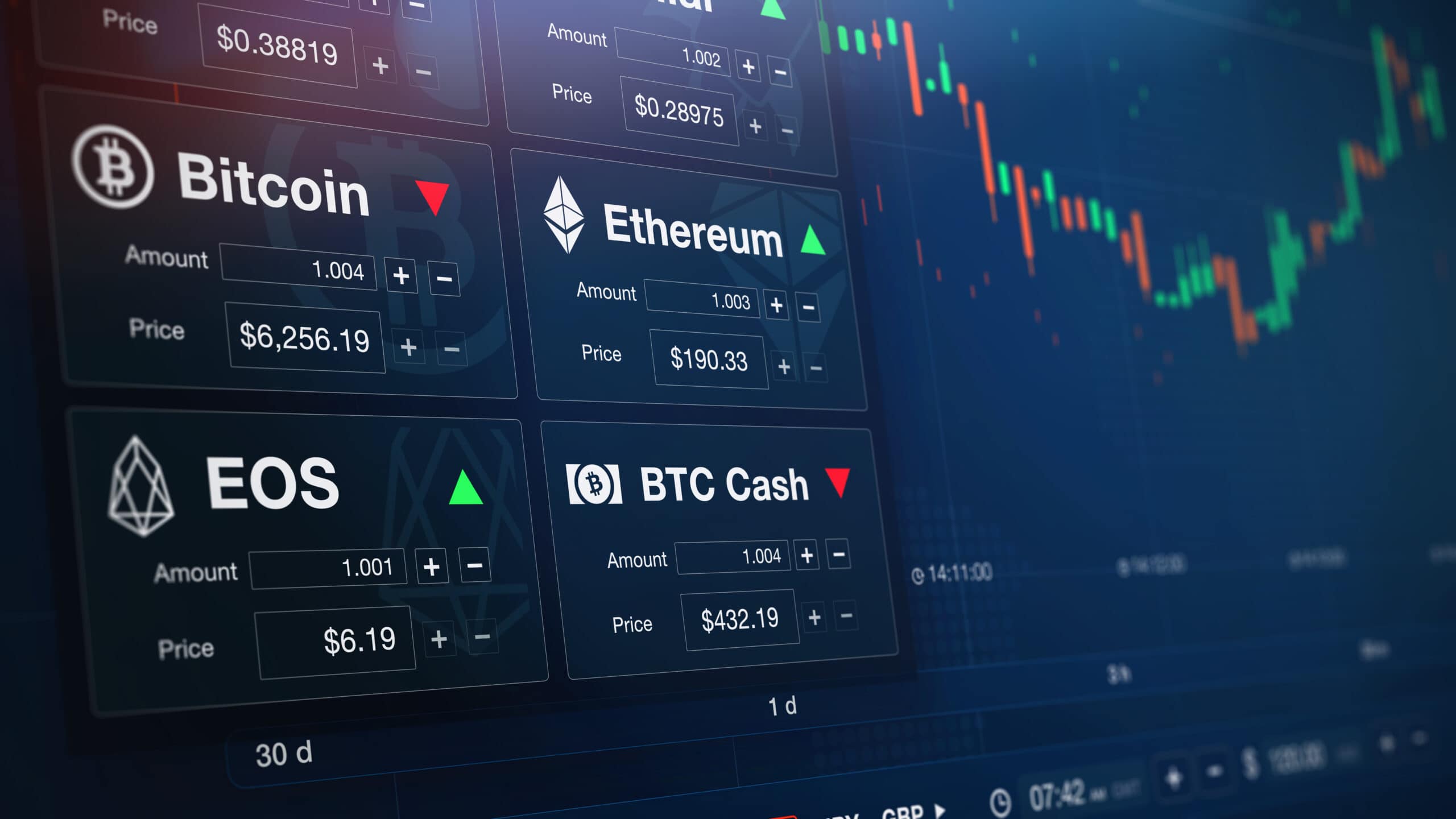
IndiGenous Crypto – Supported Coins and Trading Options

IndiGenous Crypto: Supported Coins and Trading Options

Consider allocating a portion of your portfolio to Indigenous-led digital assets like the Mogo Card, which offers Bitcoin rewards on spending while directly supporting First Nations communities. This approach moves beyond simple speculation, transforming everyday financial activity into a tangible mechanism for economic empowerment and cultural preservation. You are not just trading; you are participating in a new model of community-focused finance.

The First Nations Bank of Canada provides a regulated gateway, offering secure cryptocurrency services through partnerships with major exchanges. This institution demonstrates how traditional financial stewardship and innovative digital asset management can successfully merge, creating trusted access points for investors who prioritize both security and social impact. Their model proves that institutional credibility and community values are not mutually exclusive in the crypto space.

Projects such as the Aboriginal Reserve Token (ART) are building specific ecosystems that fund real-world initiatives in education, housing, and business development. Trading these assets on decentralized exchanges like Uniswap provides liquidity directly to these projects, with each transaction contributing to a decentralized fund. Your engagement here supports a self-sustaining economic cycle that benefits Indigenous nations directly, aligning financial growth with profound social value.

Where to Buy and Trade Indigenous Coins: Supported Exchanges and Pairs

Your primary destination for trading Indigenous-focused cryptocurrencies should be decentralized exchanges (DEXs) like Uniswap and PancakeSwap. These platforms offer direct access to a wide array of tokens without centralized intermediaries. You can find specific trading pairs, such as INDG/USDT or INDG/ETH, by connecting your Web3 wallet and searching for the token’s contract address, which you must verify on the project’s official channels like IndiGenous to avoid scams.

For those preferring centralized services, exchanges like BitMart and MEXC Global often list emerging Indigenous coins early. Check their markets for pairs like INDG/USDT, which provides liquidity against a stablecoin. Always confirm the exchange’s availability in your region and review its withdrawal fees before depositing funds.

Beyond major platforms, keep an eye on specialized launchpads and community-driven initiatives announced through official project Discord servers or Telegram groups. These channels frequently host token generation events and provide the first opportunity to acquire new assets, fostering direct support for the projects you believe in.

Evaluating Indigenous Crypto Projects: Key Metrics and Community Goals

Directly examine the project’s whitepaper and public roadmap for specific, time-bound objectives. A clear plan detailing development phases, exchange listings, or partnerships within the next 6-18 months indicates strong organization. Vague promises about “building awareness” or “creating utility” are a warning sign.

Scrutinize the tokenomics with a focus on distribution fairness. Identify the percentage allocated to the founding team and treasury. A healthy model often includes a locked and vested team allocation, preventing large, sudden sell-offs. Check for transparent smart contract audits on platforms like CertiK or Hacken to confirm technical security.

Gauge community strength beyond mere follower counts. Analyze the project’s official Discord or Telegram for active, quality discussions about development and governance. A high ratio of active participants to total members often reflects genuine support rather than speculation. Observe how developers interact with and answer questions from community members.

Confirm the project’s tangible connection to its stated Indigenous community. Look for public endorsements from recognized community leaders or organizations. Projects should demonstrate how their technology directly addresses a specific need, such as facilitating transparent donations to causes, supporting Indigenous artists through NFTs, or enabling community-governed treasuries.

Evaluate real-world utility and trading viability. Check listings on reputable decentralized exchanges like Uniswap or Sushiswap, and note the liquidity pool size. Thin liquidity can lead to high price slippage. Assess if the token has a defined use case, like granting access to a specific platform, service, or voting rights, which supports its long-term value.

Prioritize projects that view their cryptocurrency as a tool for achieving concrete community goals, not as an end in itself. The most promising initiatives will have measurable targets for social impact, economic development, or cultural preservation directly linked to their blockchain solution.

FAQ:

What exactly are “Indigenous crypto coins” and how are they different from regular cryptocurrencies?

Indigenous crypto coins are digital currencies created by, for, and with the involvement of Indigenous communities. Their primary difference from mainstream cryptocurrencies like Bitcoin or Ethereum lies in their purpose and governance. While regular crypto often focuses on decentralization for financial speculation or technological innovation, Indigenous projects typically center on specific cultural, economic, and social goals. This can include funding community projects, preserving cultural heritage through digital means, creating sovereign economic systems, and facilitating trade within and between Indigenous nations. Their governance is often structured to reflect community values and decision-making processes, rather than being purely profit-driven.

What are the biggest risks associated with investing in these community-driven crypto projects?

The risks are significant and differ from mainstream crypto. The main concerns are liquidity, longevity, and regulatory uncertainty. These coins often have very low trading volume, making it difficult to buy or sell large amounts without drastically affecting the price. Their success is directly tied to the adoption and stability of the community project behind them; if the community initiative fails, the coin could become worthless. Furthermore, the unclear regulatory status of such specific assets can create legal complications. These investments are generally considered high-risk and should be approached with caution, extensive research, and primarily by those who strongly believe in and want to directly support the community’s mission, not just seek profit.

Beyond investment, what is the real-world impact of these coins for the Indigenous communities themselves?

The impact extends far beyond financial speculation. For communities, these projects are tools for empowerment. They can create internal economic systems that are less dependent on external national currencies and banking infrastructures, which have historically marginalized Indigenous groups. The revenue generated from initial coin offerings or transaction fees can be directly funneled into critical areas like education, healthcare, language revitalization programs, and sustainable land management. It also allows for modernized, transparent governance where community members can vote on fund allocation using tokens. In essence, the technology provides a new method for pursuing economic self-determination and cultural preservation.

What are some examples of cryptocurrencies that are created by or specifically support Indigenous communities?

Several projects exist that are either initiated by Indigenous groups or allocate funds directly to their causes. A prominent example is the MazaCoin, created in 2014. It was proposed as a sovereign digital currency for the Lakota Nation and is designed to support economic development within the community. Another project is the Aboriginal Coin, which aims to generate revenue for Indigenous communities in Canada through its transaction fee structure. A portion of these fees is directed into a fund for community projects. It’s important to research each project thoroughly, as their levels of adoption, technical development, and direct community endorsement can vary significantly.

How can I actually buy or trade these specific Indigenous-focused cryptocurrencies if I want to support them?

Acquiring these coins typically requires using a cryptocurrency exchange. However, most major exchanges like Coinbase or Binance do not list these smaller, niche assets. You will likely need to use a decentralized exchange (DEX) such as Uniswap or PancakeSwap. The process involves several steps: first, purchasing a major cryptocurrency like Ethereum (ETH) or Binance Coin (BNB) from a standard exchange. Then, transferring that crypto to a personal wallet you control, like MetaMask. Finally, connecting your wallet to a DEX and swapping your ETH or BNB for the specific Indigenous-supported coin. Always verify the official contract address of the coin from its primary website or official social media to avoid scams, as fraudulent tokens can appear on DEXs.

Reviews

Isabella Brown

My spirit soars seeing ancestral wisdom woven into these blockchain threads! Finally, a ledger that honors more than just capital—it echoes the deep, communal rhythms of the first peoples. This isn’t mere speculation; it feels like a genuine homecoming for value, where every transaction can quietly uphold a culture, a language, a future. To witness such synergy, where innovative technology hums in harmony with the oldest traditions on this land… it truly takes my breath away. What a beautiful, powerful confluence.

CrimsonRose

Oh please, this is just another digital colonization wrapped in a progressive veneer. You’re slapping paint on a casino and calling it cultural preservation. My grocery budget has more real-world utility than these tokens you’re pushing on communities that need actual resources, not a volatile gamble. It’s insulting.

Olivia

How do these projects ensure that the benefits and governance truly flow back to the indigenous communities they aim to support, rather than just using cultural branding for market appeal? I’m concerned about the volatility of crypto; have any mechanisms been developed to protect community members from significant financial loss, considering the historical economic vulnerabilities many face? Also, beyond the technical white papers, are there specific, verifiable examples of these coins being used for tangible community projects, like funding schools or preserving languages?

Isabella

My people’s coins? So exciting! Finally something I trust. Let’s support our communities and grow together. This feels right.

VelvetThorn

Decentralized finance offers indigenous communities tools for economic self-determination. By creating and supporting native cryptocurrencies, we reclaim financial sovereignty outside colonial systems. These digital assets aren’t mere currency; they encode cultural values and enable resource distribution on our terms. This movement challenges extractive capitalism, proposing a model where technology serves continuity, not disruption. Our digital future must honor the past.

Andrew Clark

As someone managing household finances, I’m intrigued but skeptical. How do these projects, often backed by venture capital, avoid replicating the very extractive models they claim to oppose? You mention community governance, but what specific, on-chain mechanisms exist to prevent a small group of large token holders from dictating terms to the actual communities? Is the primary liquidity for these tokens coming from ethical decentralized exchanges, or are they just another asset on Binance for speculators?

Long-Lsting Injection Canada – Local Services and Support

Long-Lsting Injection Canada: Local Services and Support

Direct your search to community health centres in major urban areas like Toronto, Vancouver, and Montreal; these facilities frequently host specialized programs for long-acting injectable therapies. They provide a centralized point for administration, patient education, and immediate clinical support, often on a walk-in or scheduled basis. This model eliminates the need to coordinate between a separate prescribing physician and an injection clinic, streamlining your entire care process.

For individuals in remote or rural communities, telehealth services bridge the accessibility gap. Organizations like Maple or Telus Health MyCare offer virtual consultations with healthcare providers who can prescribe these medications and coordinate local injection services. They will help you identify a registered nurse or a local clinic in your province that can perform the administration, ensuring you receive continuous care without lengthy travel.

Financial support is a critical component, and nearly all provinces include long-lasting injections on their public drug formularies with specific eligibility criteria. Investigate provincial plans like Ontario Drug Benefit (ODB) or BC PharmaCare. For those with private insurance, speaking directly to your benefits manager clarifies coverage details for both the medication and the administration procedure. Patient assistance programs from pharmaceutical manufacturers also offer significant cost reductions for qualifying individuals.

Finding Local Clinics and Healthcare Providers for Long-Acting Injections

Begin your search using the official online directories of provincial health authorities. For example, in Ontario, use Health811’s “Find a Service” tool, while British Columbia residents can search the HealthLinkBC directory. These platforms list publicly funded clinics and are updated regularly with new service locations.

Contact a community health centre or a sexual health clinic directly, as many are expanding their services to include long-acting injectable options like PrEP or HIV treatment. Toronto’s Hassle-Free Clinic and Vancouver’s Spectrum Health are established providers known for offering these injections.

Specialized Support and Pharmacy Networks

Many specialized pharmacies now partner with physicians to administer injections on-site. Reach out to larger pharmacy chains like Shoppers Drug Mart or London Drugs and inquire about their “Professional Services” departments; some locations have clinicians on staff for appointments.

For medication-specific help, use the manufacturer’s patient support program. The provider search tool on the Gilead Sciences website can connect you with clinics across Canada that offer their long-acting injectable medications, complete with contact details and hours of operation.

Confirming Your Appointment

Before booking, verify the clinic’s specific capabilities. Ask if they stock the injection on-site or if you need to bring a prescription to a pharmacy first. Confirm billing details–most appointments are covered by your provincial health plan, but it’s best to check ahead to avoid unexpected charges.

If you face long wait times, ask to be placed on a cancellation list. You can also request a referral from your family doctor to a specialist clinic, which can sometimes lead to a faster appointment for your initial consultation and injection.

Insurance Coverage and Financial Assistance Programs in Canada

Check your provincial health plan first, as coverage for long-acting injectable medications varies significantly across Canada. Alberta and Ontario, for instance, may offer specific coverage under their public drug plans for eligible residents, such as seniors and those on social assistance. Your next step is to contact your private insurer directly. Ask specifically about your plan’s formulary and what percentage of the cost is covered for your prescribed treatment.

For those without sufficient coverage, patient support programs run by pharmaceutical manufacturers can substantially reduce out-of-pocket costs. These programs often provide medications at a lower cost or even for free based on your financial situation and eligibility criteria. You can typically find application forms and program details on the drug manufacturer’s official website.

Non-profit organizations also offer valuable resources. Links to financial aid sources and guidance on navigating application processes are available through services like the one found at https://long-lastinginjection.com/. They connect you with available options without any hassle.

If you face a denied claim, file an appeal with your insurance company. Submit a letter from your doctor detailing the medical necessity of the injection. This documentation often persuades insurers to reverse their initial decision. For complex cases, consider consulting a benefits specialist or a social worker who specializes in healthcare access; they understand the system intricacies.

FAQ:

What exactly is a “long-lasting injection” and what is it used for in Canada?

A long-lasting injection is a medical treatment where medication is administered via a shot, designed to release its active ingredients slowly over an extended period. In Canada, these injections are used for various conditions. Common uses include hormonal therapies like birth control (e.g., Depo-Provera, which lasts for three months) or treatments for prostate cancer. They are also used for mental health support, such as antipsychotic injections that provide stable medication levels for weeks, helping manage conditions like schizophrenia. The primary benefit is sustained symptom control without needing daily pills.

How can I find a clinic in my area that offers these injections?

Finding a local clinic involves a few steps. Start by contacting your family doctor; they can often provide the service directly or give a referral to a specialist. You can also use provincial health resources. For example, in Ontario, you can search through Health Care Options or use the 811 tele-health line for guidance. For specific services like contraception, sexual health clinics (such as Planned Parenthood locations) are a common provider. It’s best to call ahead to confirm they offer the specific long-lasting injection you need and to discuss appointment availability.

Are long-lasting injections covered by provincial healthcare or private insurance?

Coverage varies significantly. Provincial health plans (like OHIP in Ontario or MSP in B.C.) may cover injections deemed medically necessary, such as certain antipsychotics or cancer treatments. However, others, like some forms of birth control, might not be covered and would be an out-of-pocket expense. Private insurance plans through an employer or a university often provide better coverage for a wider range of prescriptions. You should always check with your specific insurance provider and your provincial drug formulary to understand what costs you might be responsible for.

What support is available if I experience side effects after the injection?

Support for side effects is accessible. Your administering doctor or clinic should provide clear post-procedure instructions and a contact number for immediate concerns. For non-urgent questions, you can call your provincial tele-health line (e.g., 811) to speak with a nurse. It’s also important to schedule any recommended follow-up appointments. Pharmaceutical companies that manufacture the injections often have patient support programs with resources and hotlines. If side effects are severe, such as an allergic reaction, you should seek immediate care at an emergency room or call 911.

Can I get help with the cost if my insurance doesn’t cover it?

Yes, there are potential options for financial assistance. Many pharmaceutical companies offer Patient Assistance Programs that provide medications at a reduced cost or sometimes for free to eligible individuals based on income. You can find these programs on the drug manufacturer’s website. Some community health centres operate on a sliding scale fee structure based on your ability to pay. It’s also worth discussing generic alternatives with your doctor, as they can be a more affordable option than brand-name versions of the injection.

What types of long-lasting injectable medications are typically available through local support services in Canada?

Canadian local support services, often accessed through public health units, specialized clinics, or community health centers, commonly provide support for several types of long-acting injectables. A primary focus is on antipsychotic medications used in the management of conditions like schizophrenia and bipolar disorder. Examples include aripiprazole (Abilify Maintena), paliperidone (Invega Sustenna), and risperidone (Risperdal Consta). These formulations are designed to release medication gradually over weeks or months. Additionally, support is frequently available for injectable treatments for substance use disorders, such as naltrexone (Vivitrol), which helps reduce cravings for alcohol and opioids. The specific medications offered can vary by province, territory, and the specific healthcare provider, so a direct consultation is necessary to confirm availability for a particular treatment.

Reviews

CrimsonVixen

Finally! Local support that actually lasts. No more hassle.

David

Just saw this and it’s exactly what my buddy needed. He was always stressed about getting his regular meds on time with his crazy work schedule. This kind of local support, where you can get a long-lasting shot and then have actual people here to help you figure out the rest, makes a huge difference. It’s not some distant phone number; it’s help right in your community. Takes the pressure off so you can just focus on feeling better. Really glad this exists here.

Mia Garcia

It’s concerning to think about managing this alone. Finding reliable local support in Canada for ongoing care feels overwhelming. Who can you actually trust for consistent, quality follow-up? The right local team makes all the difference for long-term peace of mind.

David Chen

Finally, a shot that lasts. Now if only the support didn’t vanish faster than the drug itself. Let’s see how long these “local options” actually stick around before the funding gets cut. I’ll believe it when my neighbor doesn’t get lost in the system for the tenth time. Prove me wrong.

EchoSaber

Ah, the noble pursuit of a durable poke in a foreign land. One admires the sheer optimism of seeking bureaucratic permanence from a system that can’t even guarantee a pothole fix before the next frost. The true long-lasting support here is the patient queue, a national institution more resilient than any polymer-based solution. Finding a local to even point you toward the correct, perpetually-under-construction government website is the real test of endurance. Best of luck; you’ll need a stronger prescription for the administrative headache than anything they’re injecting.

Olivia

Sometimes I wonder if we’re all just quietly hoping for a little more magic in our daily routines. Finding something that feels truly reliable, something that just… works without a constant battle for attention, is like discovering a secret. It’s that quiet confidence you get from a choice that respects your time and peace of mind. I’ve been thinking a lot about how we find those anchors, the support that doesn’t just promise but actually persists. It’s less about the grand gesture and more about that sustained, gentle hum of things being taken care of, allowing you to simply breathe easier and focus on the parts of life that truly spark joy. That kind of quiet assurance is everything.