nonprofit budget example

It details the costs your organization will incur and the revenue you expect to receive over a set period of time. Operating budgets reflects the organization’s planned financial activities for the year ahead, showing how much revenue it expects from which sources and how much it will spend on operations. It’s a key tool in effectively and efficiently achieving the organization’s stated purpose, and should always align with an organization’s strategic plan. The operating budget must be centered around the primary goals and objectives of the organization. The process of building a nonprofit operating budget is fundamentally a planning process. Once adopted, the operating budget also becomes an essential financial management tool helpful in monitoring ongoing operations and organizational activities throughout the year.

Start Using Your CRM the Right Way

This is how many days your organization could operate if all income suddenly became unavailable (all donors stop supporting you, or you spent all your money). Nonprofit staff members should be aware of the difference between restricted and unrestricted funds so that they can understand the differences between program budgets. This free sample donation letter template for nonprofits comes in MS Word format, ready for you to quickly edit with your details.

nonprofit budget example

Nonprofit Event Budget Template Example

Below is an example of a nonprofit budget to give you an idea of what you need to do. This budget includes expected income, expenses, and funding for a small nonprofit organization. When creating your The Key Benefits of Accounting Services for Nonprofit Organizations budget, you will need to estimate the income you expect to receive. Unlike companies, however, most of your income will be in the form of donations. You may also receive income from grants, fundraising events, or investment earnings. The best way to calculate your expected income is to review your organization’s financial history and base your estimates on that.

  • It contains two budgets for different fiscal periods that can be compared to each other like–for–like as you work your way through to the end of the current fiscal year.
  • As much as you can, contact vendors and potential providers to get real estimates for costs.
  • Poor financial planning can often be attributed to poor budget management.
  • These are financial means that are given to organizations with a mission and the success rate worthy of investment.
  • Budgets may be requested by parties involved in financial transactions with the nonprofits, such as banks, or by donors/grantmakers considering a gift to the nonprofit.
  • Use a program-based approach to understand true costs, include adequate overhead allocation, and build in reserves.

A Nonprofit Budget Template That Works

nonprofit budget example

These articles and related content is the property of The Sage Group plc or its contractors or its licensors (“Sage”). Please do not copy, reproduce, modify, distribute or disburse without express consent from Sage.These articles and related content is provided as a general guidance for informational purposes only. Accordingly, Sage does not provide advice per the information included. These articles and related content is not a substitute for the guidance of a lawyer (and especially for questions related to GDPR), tax, or compliance professional. When in doubt, please consult your lawyer tax, or compliance professional for counsel. Sage makes no representations or warranties of any kind, express or implied, about the completeness or accuracy of this article and related content.

  • Let us not go directly into non-profit budgets and their templates, let me tell you a bit more about what budgeting really is, and why it is so important.
  • Managing a budget for non-profit organizations effectively can make the difference between thriving and barely surviving.
  • If you want your new nonprofit to grow successfully and fulfill its mission, a budget is not optional.
  • This template can help make a document which points out information on a non-profit organization’s financial status, effectively allowing them to make decisions regarding their operations.
  • Nonprofit budgeting follows a similar process, except you’re projecting revenue and expenses for your entire organization.
  • Minor variances might require simple monitoring, while significant deviations could demand immediate action.

Non Profit Annual Budget Template

nonprofit budget example

You can always cut the ones that you think your nonprofit organization does not need to make. It is entirely possible that your nonprofit organization has managed to accumulate debt in order for it to continue running. So the budget document will need to take note of all the different sources of debt. That way, you will know exactly what it is that you have to pay off and so that you can set aside enough income for them. Non-profit organizations that wish to succeed must learn how to handle their finances on a yearly basis. For a wider selection of budget tracker templates, check out more options here.

nonprofit budget example

Select and customize the fundraising method best suited for your organization. Whit Hunter is the co-founder of BetterWorld, the free, easy-to-use online fundraising platform. His passion for empowering nonprofits and tech expertise have shaped BetterWorld’s mission to make fundraising more accessible and efficient.

nonprofit budget example

What are the types of budget for business?

  • A budget for non-profit organizations needs structure without unnecessary complexity.
  • Including insurance in a nonprofit operating budget helps protect your organization from unexpected financial risks.
  • An assessment of your readiness should therefore also consider the external factors and trends shaping the current context, as well as past performance of your programs.
  • For easier navigation through our site, click on the magnifying glass icon at the upper right-hand corner of the page and type the title of the template.
  • The annual budget focuses on the nonprofit’s planned financial activities, expected revenue sources, and expenditures for the fiscal year ahead.
  • Whit’s innovative vision has helped countless organizations raise more funds and reach their goals, driving BetterWorld’s ongoing success.

Creating a budget for the non-profit organization is an essential tool as to the implementation of the financial activities, which keeps the company stable and running. The operating budget must be agreed upon by the board similar to how a grant budget, as shown on the grant budget samples, is approved before given to the potential grantors. Most sample budget in Word format provide the budget outline for these one time projects done by nonprofit organizations. These budgets can be used again and again, for a vast range of projects.

  • Staff salaries are often the largest expense for any organization, whether a nonprofit or a small business.
  • With these templates, you can easily create a detailed budget that includes all the necessary information, from projected income and expenses to funding sources and cost estimates.
  • By leveraging these free non-profit templates and tools, you can improve your organizational processes, increase your fundraising effectiveness, and better manage your programs.
  • Does your nonprofit use small equipment, software subscriptions, or office supplies?
  • It can also help to identify areas where the organization may have been overspending or under-earning, which can then be addressed in the budget.
  • This template simplifies financial organization by providing structured categories for revenue and expenses, allowing for clear tracking and reporting of financial activities.

Know the Nitty-Gritty of Getting a Business Credit Card

When it comes to planning an event, executing it successfully depends on how prepared you are! For some people, the functionalities of a nonprofit organization remain unclear. You might not be able to predict what your donors give, but you can control a lot when it comes to spending.

Top-down budgeting

nonprofit budget example

They don’t always have time to ask you questions about financial management and the nonprofit’s current financial health. If you have an easy-to-understand budget prepared, you can keep your fellow nonprofit leaders in the know and avoid those difficult questions. Today we’re taking you through why you need a budget and helping you create your own using our free nonprofit organization budget template in Google Sheets. Effective financial management is the backbone of a thriving nonprofit, ensuring stability, transparency, and informed decision-making. Our free courses provide in-depth knowledge on key accounting principles, budgeting strategies, and reporting requirements to help your organization thrive. Well-developed budgets help your nonprofit be financially transparent with accounting services for nonprofit organizations its team, board, supporters, and community at large.

nonprofit budget example

They must have transparency with their investors and shareholders; the budget details should be made public so that clients and investors can keep a check on their funds. If you are comfortable working with numbers and have a good understanding of your organization’s finances, you may find that zero-based budgeting is not as difficult as it initially seems. You can https://holycitysinner.com/top-benefits-of-accounting-services-for-nonprofit-organizati/ use cost-benefit analysis to determine if the event would be more valuable than some other methods of fundraising. So if you really want a conversation about your budget to mean something, it should be preceded by or accompanied by a set of organizational goals.

  • Once you have completed your budget, you should present it to your nonprofit’s board for approval.
  • If you are comfortable working with numbers and have a good understanding of your organization’s finances, you may find that zero-based budgeting is not as difficult as it initially seems.
  • Mark the events in everyone’s calendars, so that it becomes easier to repeat the process each year.
  • To keep your nonprofit on track, we’ll walk you through each line item you might need to include in your nonprofit budget template and show you how to create one tailored to your needs.
  • By now, you’ve created a solid foundation for a super-effective nonprofit budget.
  • This balanced approach to cost management strengthens your organization’s resilience while ensuring resources remain available for mission-critical work.

nonprofit budget example

To keep your nonprofit on track, we’ll walk you through each line item you might need to include in your nonprofit budget template and show you how to create one tailored to your needs. This non-profit board structure chart comes in PowerPoint and PDF formats. It’s a perfect slide to use to provide a visual of your nonprofit’s Board of Directors. You can easily copy it into an annual report presentation and update it as your board changes. This free nonprofit and free NGO templates download is especially helpful for new organizations just starting out to get a jump start on their board structure. This free balance sheet template for non-profit organizations comes in an Excel format to make it easy for you to calculate income and expenses.

nonprofit budget example

To truly stick to your budget—and ensure you have enough money to fulfill your nonprofit’s mission—you need an efficient way to manage cash flow and organize spending. Relay is an online banking and money management platform that can help you (and your team members) avoid overspending, get clear on income, and simplify financial management. Without an annual nonprofit budget, you’re essentially operating in the dark. You could easily overspend, winding up deep in debt or worse – unable to continue serving your beneficiaries. The best practices we shared in this guide are the fundamentals of sound budgeting for nonprofit organizations. Operating budgets reflects the organization’s planned financial activities for the year ahead, showing how much revenue it expects from which sources and how much it will spend on operations.

operating cycle

The recording transactions shorter the cash conversion cycle, the better, and the less time cash is in accounts receivable or inventory. The operating cycle is calculated by adding the inventory period (time taken to sell the inventory) and the accounts receivable period (time taken to collect payment after a credit sale). The operating cycle of a company consists of time period between the procurement of inventory and the collection of cash from receivables. The operating cycle is the length of time between the company’s outlay on raw materials, wages and other expenses and inflow of cash from sale of goods. Operating cycle is an important concept in management of cash and management of working capital. The operating cycle is a financial metric that measures the time it takes for a company to convert its investments in inventory and accounts receivable into cash.

operating cycle

4 Using the Adjusted Trial Balance to Prepare Financial Statements

The net book value of the equipment on the balance sheet is shown as $2,975 ($3,000 – $25). As shown below, the balance remaining in the Prepaid Insurance account Bookkeeping for Etsy Sellers is $2,200 after the adjusting entry is posted. The $2,200 balance represents the unexpired asset that will benefit future periods, namely, the 11 months from February to December, 2015. The $200 transferred out of prepaid insurance is posted as a debit to the Insurance Expense account to show how much insurance has been used during January.

Formula and Calculation of Cash Conversion Cycle (CCC)

Speaking of a long operating cycle, it suggests that the company is taking too long to sell its inventory and collect cash from customers. This could indicate problems in inventory management or inefficiency in collecting receivables. Joseph owns a fast food store and he wants to check how efficiently his business is running. Note that the cycle would start when Joseph starts paying for the raw materials he uses for making food items for his customers. In this case, the operating cycle of the business would not end until all the items have been sold and Joseph receives cash for all of them. A positive operating cycle indicates that a business will take time to sell inventory, collect receivables, and pay suppliers, leading to a longer operating cycle.

operating cycle

Examples of Operating Cycle in Business Finance

  • For example, the days sales outstanding value could be higher simply because the process to collect the credit purchases is inefficient and needs to be worked on.
  • Additionally, revenue would be understated (too low) by $300 on the income statement if the adjustment was not recorded.
  • For the past 52 years, Harold Averkamp (CPA, MBA) has worked as an accounting supervisor, manager, consultant, university instructor, and innovator in teaching accounting online.
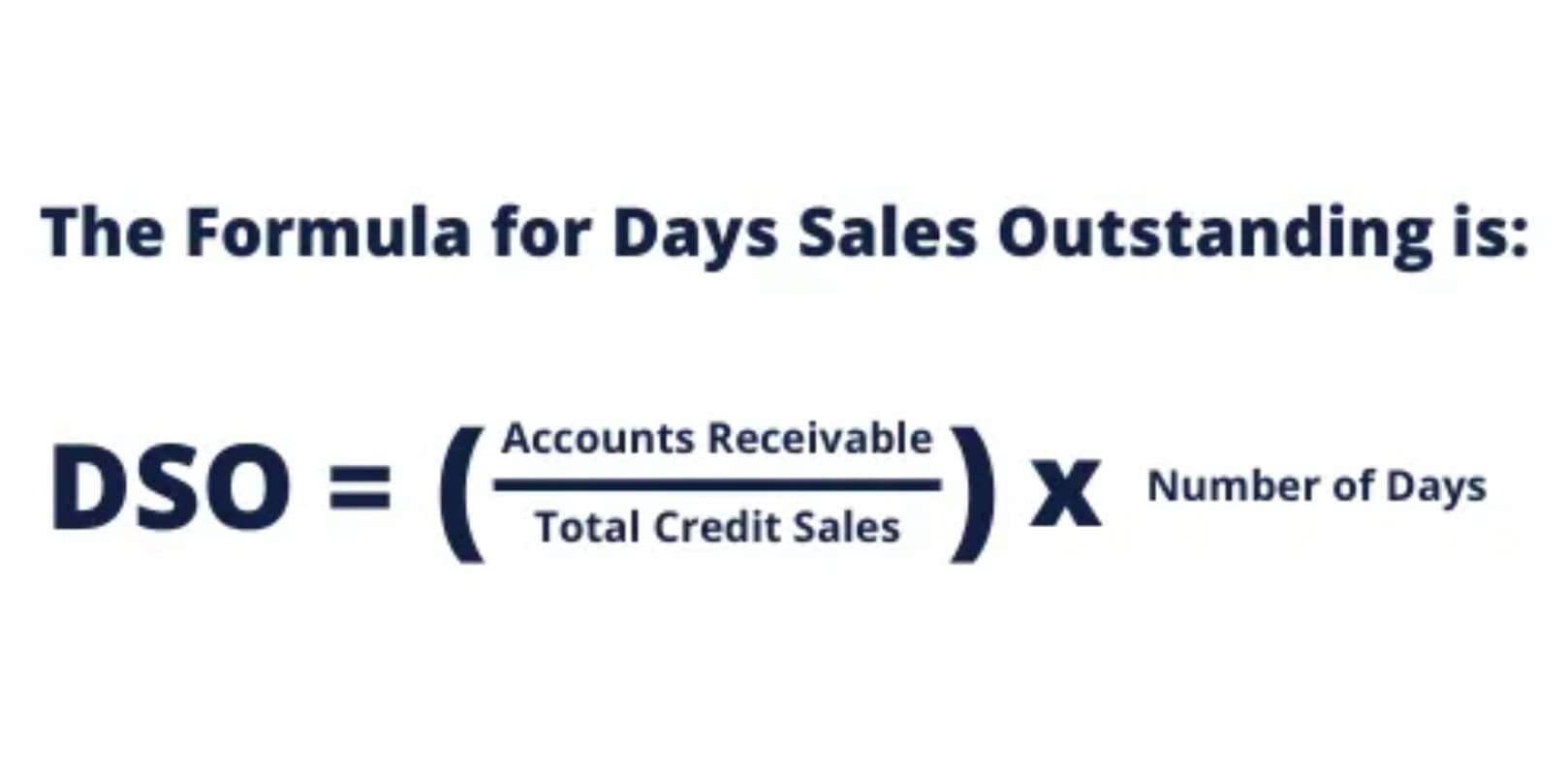
  • One must divide crediting purchases by the median accounts receivable to find a firm’s receivables turnover.
  • Let us look at working capital cycle definition with examples and Operating Cycle definition with examples along with formula in this topic.

Working on your operating cycle can also benefit many other parts of your business. In the following sections, we will go through what an operating cycle really is and why it is important for a business to track it. We will also shed some light on how it works, how one can calculate it, and how to make it insightful for your business.

  • Now, the accounts receivable is equal to the total number of days required to receive the payment for goods and services sold.
  • It represents the entire process from purchasing raw materials to selling finished goods and collecting payment.
  • Get instant access to video lessons taught by experienced investment bankers.
  • A shorter operating cycle indicates that a company can convert its inventory into cash quickly, suggesting efficient management and a lower need for working capital.
  • Due to the production process, the operating cycle tends to be longer in a manufacturing company.
  • When we add up both these durations, we get the length of the operating cycle.
  • Conversely, a business may have fat margins and yet still require additional financing to grow at even a modest pace, if its operating cycle is unusually long.

operating cycle

The net operating cycle and the operational cycle are the terms that usually confuse us. The net operating cycle is the money conversion cycle or cash cycle that shows how long it takes a business to earn money from the sales of stock. An operating cycle is crucial since it can show a firm’s owners how fast they can sell the stock. A shorter operating cycle, for instance, indicates that the business was capable of turning around rather rapidly.

Net Operating Cycle (Cash Cycle) vs Operating Cycle

  • To understand the operating cycle, imagine a business buying raw materials, converting them into finished goods, selling those goods, and finally receiving payment.
  • CCC represents how quickly a company can convert cash from investment to returns.
  • The reduction in operating cycle will improve the cash conversion cycle and ultimately improve the profitability of the firm.
  • There are a few reasons why calculating this formula can benefit your business.
  • Whether you’re running a small retail shop or a large manufacturing unit, mastering these concepts will help you navigate the financial complexities of your business with ease.

A company’s number of days of payables, number of days of receivables, and number of days of inventory may be combined to indicate its operating operating cycle cycle and net operating cycle. The length of operating cycle is the indicator of efficiency in management of short-term funds and working capital. The operating cycle calls for proper monitoring of external environment of the business. Changes in government policies like taxation, import restrictions, credit policy of central bank etc. will have impact on the length of operating cycle. The knowledge of operating cycle is essential for smooth running of the business without shortage of working capital.

nonprofit bookkeeping

For-profit accounting also focuses on revenue sources and production costs, such as materials and labor. Bookkeeping covers your nonprofit’s day-to-day financial needs, mostly concerning data entry and simple transactions (more on these duties to come!). Although bookkeepers need some on-the-job training and financial know-how to do their jobs well, they aren’t required to have specific degrees or certifications. Our clients bestow upon us the honor of partnership, allowing us to contribute to the inspiring work they do in serving their communities. In turn, we strive to bestow https://nyweekly.com/business/accounting-services-for-nonprofits-benefits-and-how-to-choose-the-right-provider/ perspective, insight, and confidence in the financial data that tells each organization’s unique story.

Nonprofit vs for-profit accounting

  • Accurate bookkeeping for nonprofits is the backbone of every successful not for profit organization.
  • Between the competing demands of management, auditors, funders, board members, and staff, you need a partner who knows nonprofits.
  • QuickBooks offers a discount on its QuickBooks Online software through TechSoup.
  • These systems integrate multiple processes to record and update all transactions automatically, allowing users to access financial data in real-time from anywhere with an internet connection.
  • You’ll categorize each inflow and outflow, reconcile bank statements, and prepare reports that satisfy donors and regulators alike.
  • Each source may have different reporting requirements, so it’s crucial to categorize the donations accurately.

Similarly, all expenses incurred by the organization should also be recorded diligently. In this article, we’ll discuss key bookkeeping responsibilities and steps to efficient bookkeeping and provide 3 software options that can help. For example, a lawyer may review a contract for your nonprofit and refuse to charge a fee. An in-kind donation or a gift in kind represents a donation of goods or services instead of money for purchasing goods and services.

nonprofit bookkeeping

Maintaining GAAP compliance

This reduces the possibility of errors and guarantees reliability and accuracy. Of course, you can always generate financial statements manually, but this takes a lot of time and skill. Using the details you recorded about your nonprofit’s transactions, create a broad overview of Top Benefits of Accounting Services for Nonprofit Organizations You Should Know your financial position and develop a plan to get your revenue where it’s supposed to be. To do this, you’ll need to set reasonable expectations for your income, expenses, and financial goals.

Know the Nitty-Gritty of Getting a Business Credit Card

Essentially, you should view bookkeeping as the financial oversight process that’s necessary for operating your nonprofit daily. For example, bookkeeping ensures your nonprofit uses its revenue wisely and maintains its tax-exempt status. Accounting, on the other hand, is using that information to provide a detailed analysis of your finances.

  • Just like for-profit businesses, nonprofits need to spend money on accounting.
  • Xero also excels at accounting basics that can keep your nonprofit’s budget on track, including thorough financial reporting and expense tracking.
  • An annual budget plan represents a roadmap for nonprofits and ensures the organization is on the right track.
  • These categories are based on the Unified Chart of Accounts (UCOA), a standardized COA model that aligns with nonprofit reporting requirements.

Fully Staffed Accounting Team

  • Nonprofit organizations play a crucial role in serving communities and positively impacting society.
  • One of the most powerful tools available to streamline your non profit’s bookkeeping processes is Araize FastFund Accounting software.
  • Restricted net assets are donations that have certain terms and restrictions attached, have special accounting procedures, and must be kept separate from other net assets.
  • Like the income statement, it tells you how “profitable” your NFP was over a given period by showing your revenue, minus your expenses and losses.
  • Looking up a nonprofit’s Form 990—using services like Guidestar.org—can tell you a lot about its financial state.

We tailor reporting to reflect the specific structure of your funding sources. The organization now pays under $200 per month and has full visibility into its finances-without hiring a full-time bookkeeper. There are major differences between the three types of bookkeepers and what each can offer your Nonprofit.

nonprofit bookkeeping

Save valuable time

nonprofit bookkeeping

While Wave offers free plans, its payroll (tax services), transactions and bookkeeping and accounting support cost extra. Payroll services start at $20 per month and bookkeeping support starts at $149 per month. To process a transaction via credit card, you must pay a fee of at least 2.9% plus $0.60 per transaction. She has nearly a decade of public accounting experience in a variety of industries with an emphasis in nonprofit organizations. She loves the nonprofit world, continuously learning and expanding her accounting skillset, and working with the passionate and dedicated folks who run nonprofit organizations. An outdoor enthusiast, Kathy spends her free time hiking, kayaking, running, practicing yoga, aerial arts, and photography.

nonprofit bookkeeping

is bookkeeping hard

There are no official education requirements to become a bookkeeper, so you won’t need a degree. If you care for a child or loved one, are attending college, or have another job, bookkeeping can give you the freedom you need. Bookkeepers typically handle the day-to-day finances of a business. Are you looking for rental business ideas you can start and run in your spare time? These include entering data as accurately as possible and ensuring no errors are left unaddressed in the ledgers. The bookkeeper should be able to answer all questions about daily finances and the status of payments.

is bookkeeping hard

College Tuition Fees, Job Outlook, and Salary

As a bookkeeper, you may need to help the business learn the best practices to keep their financial records up to date and organized. Even when receipts have already been recorded in the Certified Public Accountant accounting or bookkeeping software, bookkeepers should still store hard copies for at least three years. When business owners see discrepancies in the financial statements, receipts will serve as evidence that bookkeepers and accountants can refer back to if the need arises. That said, bookkeepers and accountants certainly have complementary strengths that help a company to see and monitor its business’ financial health.

You’ll Learn a New Language in Accounting: Excel

When you’re studying accounting, expect to engage in a variety of accounting tasks. As an accounting student, you’ll need to analyze financial data, prepare financial statements, and delve deep into financial accounting, managerial accounting, and even forensic accounting. For those who find international dimensions intriguing, international financial reporting standards (IFRS) and international accounting also make their way into most accounting degree programs. These are is bookkeeping hard essential skills for crafting financial solutions and conducting cost-benefit analysis based on financial performance metrics.

Is Bookkeeping Hard? Everything You Need to Know

is bookkeeping hard

If you aren’t working remotely, you’ll be working in an office or at the business itself. You may choose to continue working as a bookkeeper, or use it as a stepping stone to advance your career. These skills can be useful, even if you want https://www.bookstime.com/articles/budgeting-report-definition-and-examples to pursue a different career path in the future.

is bookkeeping hard

  • Bookkeepers can boost their career prospects by certain degrees and certifications.
  • Clients can have inquiries concerning the financial figures, and your response must be credible and simple to comprehend.
  • In addition, the license authorizes your credentials and expertise in tax, regulation, regulatory compliance, bookkeeping, and other disciplines.
  • Accounting can become much easier over time with focused effort and dedication.
  • Whichever program you choose, you can rest assured that it’s going to help set you up for becoming a successful accountant.

However, many accountants also assist businesses in the preparation of financial statements, audit records, and other reports. Of all the business degrees, accounting is the most mathematically intensive and practical. Accounting is challenging because it requires close attention to detail and extensive knowledge of the relevant rules and legislation.

is bookkeeping hard

is bookkeeping hard

Having a stable job is especially helpful when layoffs occur left and right. Every business, for instance, eventually needs to decide whether to renew its lease or sign a new one with different property management. You should register for a degree program most compatible with your professional requirements and desired job path. Since accountants deal with both people and businesses as customers, you’ll also need to strengthen your ability to offer these kinds of services to both clientele groups. Although accounting requires a specific set of talents and abilities, it isn’t much more challenging than many other academic disciplines that provide excellent chances for lasting careers.

  • Companies of all sizes need accounting assistance, including multinational corporations and small businesses.
  • Every business, for instance, eventually needs to decide whether to renew its lease or sign a new one with different property management.
  • Browse the courses offered at your local college and sign up for one that fits your needs.
  • Others may believe accounting is challenging because they are concerned about their ability to pass the famously difficult CPA test.
  • If you’re unable to devote the time and effort to studying, then you might find accounting to be very difficult to master.

What does it take to become a bookkeeper

In today’s economy, businesses must keep accurate records of their finances. Unfortunately, many businesses find accounting challenging and complex to do on their own. Professional accountants are essential – they can help businesses understand their financial statements and make intelligent decisions based on the data. Bookkeeping is definitely a tedious job that requires an incredibly strong level of detail. If you think of a company’s financial health like a piece of furniture, the bookkeepers prepare all the various pieces so that the accountants can assemble it. Luckily there are various accounting solutions available to help bookkeeping professionals mitigate the risks that come with the job, such as duplication of data or miscalculations of revenue.

fund accounting meaning

Use consistent reporting standards like GAAP or FASB to create clear and comparable reports. The university invests the principal and uses only the earnings to fund important programs, preserving the endowment for future generations. fund accounting meaning Double-check all transactions and balances for accuracy at the end of each accounting cycle. Track all income and expenses, making sure each transaction is assigned to the right fund for accuracy.

Understanding the Statement of Financial Position

  • For instance, a provider might give a nonprofit organization funds for a new building project, research on a particular issue, or a scholarship for underprivileged students.
  • Partner with Jitasa to develop your nonprofit’s fund accounting system and implement best practices.
  • Likewise if we saw an expense for utilities, typically paid for by the General Fund, on the Scholarship fund report that would be a red flag.
  • It allows non-profits to easily provide the detailed financial information required for compliance reports.
  • You can spend the unrestricted money in your general operating fund on things like salaries, administrative expenses, and supplies for operating your shelter.
  • Nonprofit organizations using fund accounting can include churches, hospitals, universities and colleges, nursing homes, and artistic foundations.

Once the obligation is fulfilled, then the church should take appropriate steps to take care of any left over monies, in accordance to church bylaws and other FASB regulations. The federal funds they receive were already included in the annual allocation of budget proposed by a particular government unit. Hedge accounting journal entry payroll depends on the type of hedge you are applying. For fair value hedge accounting, entries for hedged items and hedging instruments are recorded. For cash flow hedge and net investment hedge, journal entries for effective and non-effective hedge portions are recorded separately. In the following paragraphs, we’ll explore the fundamentals of fund accounting for nonprofits and discuss how it supports better transparency and effective mission delivery.

Financial Consolidation & Reporting

Your nonprofit isn’t allowed to spend these funds directly—instead, you’ll invest them and collect interest. Then, you’ll typically put the interest toward an initiative agreed upon by the endowment fund contributor(s). While all parts of the definition are important, the “self balancing” piece is the most significant fundamental difference between for profit and not for profit accounting. In other words, on the transactions in the accounting system, the self balancing aspect is what makes a for profit system work differently than a not for profit system.

fund accounting meaning

Organizations that use fund accounting

fund accounting meaning

Fund accounting is crucial to ensure that nonprofits are complying with stipulations established by donors. In addition to restricted funds, tracking unrestricted funds by the purpose is useful to stay accountable to nonprofit stakeholders and contributors. Even donors who don’t stipulate a particular use are generally interested in how their donations are being spent. Nonprofits rely on fund accounting for its precision and transparency.

  • Because it keeps the money for gas separate from the mortgage as we see in the above picture.
  • Fund accounting stands as a specialized area of finance, pivotal for nonprofit organizations and government entities, where the focus shifts from profit to accountability and proper fund management.
  • Hedge accounting practices for entities reporting under International Financial Reporting Standards (IFRS) are governed by IFRS 9.
  • Effective management of different funds not only strengthens donor trust but also bolsters the financial health of the nonprofit.
  • However, they cater to divergent audiences and possess distinct characteristics.
  • Unlike other assets, cash retains its value during market downturns and provides immediate access to funds, offering a reliable buffer against market volatility and uncertainty.

– Temporarily Restricted Funds

fund accounting meaning

With an MBA in Finance and over 17 years in financial services, Kishore Kumar has expertise in corporate finance, mergers, acquisitions, and capital markets. He is recognised for his commitment, professionalism, and leadership in work. Another critical advantage of Fund accounting is the opportunity for improved financial control. Fund accounting has distinct characteristics that set it apart from other accounting forms. Understanding the intricate details of finance management can sometimes make you feel like you are learning a new language. It focuses on measuring the commercial organisation’s overall financial performance and profitability.

What is fund accounting in investment banking? (

  • Megha is a content writer with sharp technical skills, owing to her past experience in networking and telecom domains.
  • In the example above, the city can spend as much as $34 million, but smaller appropriation limits have also been established for individual programs and departments.
  • Another critical advantage of Fund accounting is the opportunity for improved financial control.
  • Fund accountants conduct daily analysis of various financial metrics to help firms set a price or value of their funds.
  • Net asset value (NAV) refers to the value of an entity’s assets minus its liabilities.
  • In this method, a fund consists of a self-balancing set of accounts and each are reported as either unrestricted, temporarily restricted or permanently restricted based on the provider-imposed restrictions.
  • Imagine an organization called “Save Indian Culture.” It gets funds to restore old buildings and also for youth art programs.

For example, in assets you could have checking, saving, or money market accounts. https://www.bookstime.com/articles/accounting-and-bookkeeping-services Revenues and expenses would of course have accounts under them as well. Another method you may have heard of is governmental accounting, which is closely related to fund accounting, but used by government entities like cities. How would you know what the UBIT is, when the church isn’t using a fund based accounting system? The best way to avoid losing tax exemption status, is to not give a reason for an audit in the first place.

how to get quickbooks proadvisor certification

These additional certifications can help you attract clients with specific needs and position you as a true QuickBooks expert. The ProAdvisor program offers various courses to help you expand your skillset. Ready to take the wheel and become a trusted advisor to businesses? The QuickBooks ProAdvisor certification is your driver’s license. It signifies expertise in QuickBooks and a commitment to staying current with the latest features and best practices.

how to get quickbooks proadvisor certification

Bookkeeping Training vs. Accounting Degrees: Key Differences and Career Insights

how to get quickbooks proadvisor certification

Some testing sites, how to get quickbooks proadvisor certification like Certiport, also offer free practice exercises and example test questions. The cost of QuickBooks certification depends on your level of knowledge. The three introductory 50-minute industry certification exams cost around $130 per test. Earning a QuickBooks certification can get job applicants in the door and, if just starting their careers, qualify them for entry-level positions. With experience, these professionals can make their way up the ladder.

how to get quickbooks proadvisor certification

Premium ProAdvisor support

This not only increases your efficiency but also allows you to provide more valuable insights to your clients. As you gain experience with automation, you can gradually Bookkeeping for Consultants expand its implementation, continuously refining your processes for optimal performance. As a QuickBooks ProAdvisor, you’re more than just a software expert; you’re a problem-solver. Clients will come to you with a range of challenges, from basic bookkeeping questions to complex integration issues.

Handling Difficult Client Situations

  • Intuit Enterprise Suite is a cloud-based, multi-entity and multi-dimensional solution that helps boost productivity and profitability for clients with complex needs.
  • This 4-day virtual instructor-led course covers everything you need to know for QuickBooks Desktop certifications.
  • Get the most out of QuickBooks with flexible courses that help elevate your career and your firm.
  • Earning a QuickBooks certification can help strengthen your resume and LinkedIn profile.
  • With your certification in hand, you become a valuable asset in the eyes of employers and clients.
  • In the advanced certification, you’ll develop expertise in strategic business advisory skills, complex troubleshooting techniques, and advanced customization capabilities.
  • It’s like knowing the rules of the game before you start playing.

It’s like getting a golden ticket that proves your expertise in using Intuit’s popular accounting software. When you become certified, you join an elite group gross vs net of professionals trusted by businesses worldwide to handle their financial management needs. The QuickBooks ProAdvisor program offers several ways to connect with potential clients. You’ll be listed in the Find-a-ProAdvisor directory, giving you visibility to businesses actively searching for QuickBooks experts.

Master QuickBooks Online as a ProAdvisor

Becoming a QuickBooks ProAdvisor is a journey, not a destination. Intuit’s ProAdvisor training program offers a wealth of resources, including self-paced courses, webinars, and even in-person events. Embrace these opportunities to deepen your QuickBooks knowledge and stay current with the latest updates. This commitment to ongoing learning will not only help you pass the exam but also serve you well throughout your ProAdvisor career. Becoming a QuickBooks ProAdvisor is an excellent career move for accountants and bookkeepers aiming to enhance their expertise, credibility, and service offerings. As a certified QuickBooks ProAdvisor since 2013, I have experienced firsthand the benefits and opportunities that this certification brings.

how to get quickbooks proadvisor certification

change in working capital

Companies must maintain a healthy working capital to maintain smooth operations, handle supply chain shocks, and exploit any available opportunities. However, in valuation analysis, this figure is not given due attention as income statement items and profit and change in working capital loss statement items have a more direct effect on cash flows. The net working capital formula is calculated by subtracting the current liabilities from the current assets. Accounts receivable days, inventory days, and accounts payable days all rely on sales or cost of goods sold to calculate. If either sales or COGS is unavailable, the “days” metrics cannot be calculated. When this happens, it may be easier to calculate accounts receivables, inventory, and accounts payables by analyzing the past trend and estimating a future value.

  • This, in turn, can lead to major changes in working capital from one month to the next.
  • Lenders will often look closely at a potential borrower’s working capital and change in working capital from quarter-to-quarter or year-to-year.
  • If changes in working capital are positive, the change in current operating liabilities will increase more than the part of the current assets.
  • Interpreting the NWC balance involves understanding the impacts on your company’s operational and financial health.
  • The overarching goal of working capital is to understand whether a company can cover all of these debts with the short-term assets it already has on hand.
  • Expansion also leads to a higher growth rate, which requires planning to ensure enough funds to cover day-to-day operations as well as long-term expenses.

Analysis

change in working capital

Positive working capital generally means a company has enough resources to pay its short-term debts and invest in growth and expansion. Conversely, negative working capital indicates potential cash flow problems, which might require creative financial solutions to meet obligations. A company can improve its working capital by increasing current assets and reducing short-term debts. To boost current assets, it can save cash, build inventory reserves, prepay expenses for discounts, and carefully extend credit to minimize bad debts. To reduce short-term debts, a company can avoid unnecessary debt, secure favorable credit terms, and manage spending efficiently. A company’s balance sheet contains all working capital components, though it may not need all the elements discussed below.

change in working capital

Treasury Management

change in working capital

Finally, expenses such as payroll and rent contribute to monthly fluctuations. The components of net working capital include current assets such as cash, cash equivalents, and prepaid expenses as Cash Flow Management for Small Businesses well as inventory and accounts receivable assets you can convert to cash within a year. These short-term obligations—like accounts payable, accrued expenses, and short-term debt—must be reconciled within 12 months and managed carefully to maintain liquidity.

Can’t see your cash position? Liquidity challenges might lie ahead

A company with a high level of working capital typically possesses substantial current assets relative to its current liabilities. Conversely, a low working capital position suggests that the business faces significant current liabilities compared to its current assets. The working capital ratio is a method of analyzing the financial state of a company by measuring its current assets as a proportion of its current liabilities rather than as an integer. It is important to realize that a failure to monitor changes in working capital can lead a business to run out of cash. For example, a growing business might be profitable but as it expands, the growth often leads to a substantial increase in inventory and accounts receivable without a corresponding increase in accounts payable. Subsequently without adequate working capital financing in place, this increase in net working capital can lead to the business overtrading and running out of cash.

For example, a decrease in working capital due to increased sales can be a positive sign. If a company’s owners invest additional cash in the company, the cash how is sales tax calculated will increase the company’s current assets with no increase in current liabilities. Create subtotals for total non-cash current assets and total non-debt  current liabilities.

change in working capital

Discover the next generation of strategies and solutions to streamline, simplify, and transform finance operations. Thus, while making any decision, it is essential to look at the benefits, limitations, and other documents, statements, and reports that will help determine the entity’s financial stability. Carbon Collective is the first online investment advisor 100% focused on solving climate change. We believe that sustainable investing is not just an important climate solution, but a smart way to invest.

Company

This figure represents the profit earned from the core business activities, excluding operating expenses. In the single-step income statement, calculating gross profit might seem like a direct sail; however, this format does not typically offer an itemized display of gross profit. Instead, it combines all revenues and subtracts the total expenses and losses in one move, leading directly to net income or loss. This method makes the calculation less time-consuming but offers fewer financial details about the primary business activities that generate revenue. For example, a real estate partnership’s income statement may have just one line for sales commissions, followed by the operating expense items, such as rent, supplies and administrative services. A small hardware store selling both hardware items and installation services may also use a single-step format.

Analyzing Financial Performance Using a Multiple-Step Income Statement

Coming after the gross profit, we got selling and admin expenses that comprise all the secondary costs spent on the product or services of the company. The selling expenses are like marketing expenses, salary to the salesperson, freight charges, etc. All publicly traded companies in the U.S. must adhere to generally accepted accounting principles (GAAP), which are accounting standards issued by the Financial Accounting Standards Board (FASB). Many private companies elect to follow GAAP, even though they aren’t legally obligated to do so.

Single-Step Income Statements

  • The third section is the non-operating head, which lists all business incomes and expenses that are not related to the principal activities of the business.
  • The single-step income statement offers a straightforward journey on one path, simplifying calculating a company’s net income in one fell swoop.
  • So, we get various details of the advantage of a multi-step income statement from the above points.
  • Therefore, it is mostly used in big companies that are required to effectively maintain their records.
  • The net income becomes diluted because the company has made a gain from selling real estate and recording it as non-operating revenue.

Navigating the world of financial statements is akin to choosing between two paths through a dense forest. At Taxfyle, we connect individuals and small businesses with licensed, experienced CPAs or EAs in the US. We handle the hard part of finding the right tax professional by matching you with a Pro who has the right experience to meet your unique needs and will handle filing taxes for you. There may be a couple of entries or many, depending on the size and complexity of the business.

It offers a nuanced view of a company’s financial performance, presenting a clearer picture for partners, investors, and compliance. Small businesses with simple operations, such as sole proprietors and partnerships, are more likely to use a single-step statement because it’s simple to prepare and read. Income isn’t categorized by source, nor are expenses segmented into production costs, overhead costs, or other non-operating costs. Some small business owners might prepare a single-step statement themselves without using a bookkeeper or an accountant.

Small businesses, such as single-product or single-service businesses, sole proprietors, and partnerships, may use single-step income statements. Both single-step and multiple-step income statements show the income and expenses of a business, as well as its gains and losses. This allows you to see how much the company is earning on sales before operating income is considered. Seeing detailed gross profit also allows you to calculate gross margin, which is gross profit divided by sales.

A single-step income statement offers a simple report of a business’s profit, using a single equation to calculate net income. A multi-step income statement, on the other hand, separates operational revenues and expenses from non-operational ones and follows a three-step process to calculate net income. Income statements, also called profit and loss statements, are one of the major financial statements prepared by businesses. It begins with the gross profit calculation, derived by deducting the cost of goods sold from the total revenue. Subsequently, operating expenses are deducted from the gross profit to calculate the operating income, representing the profit generated from the core business operations. A multi-step income statement is a financial statement that provides a detailed breakdown of a company’s revenues, expenses, and profits over a specific period, typically dividing the calculation into multiple steps.

On the other side the format of the single-step income statement all the revenues are altogether combined under one main head i.e. income listing and all the expenditures are put together under Expenses head. A multi-step income statement is the financial statement that companies use to show and present their financial records concerned with revenue, expenses, and different types of costs. It isolates the operating revenue and operating expenses from the non-operating revenue and expenses to give a clear presentation of the records. Mostly used for cost accounting and standard costing, it provides a detailed breakdown of costs. For businesses seeking professional accounting services to maintain such detailed financial records, outsourcing can be a valuable option.

#2 – Operating Head – Selling and Admin Expenses

  • This straightforward document conveys a company’s revenue, expenses, and bottom-line net income.
  • The income statement comprehensively overviews a company’s operating income, expenses, and overall financial performance.
  • Pay no monthly fees, get payouts up to seven days earlier, and earn cashback on eligible purchases.
  • After all sources of income and expenses are tallied, and taxes are deducted, the result is net income or net loss.
  • Access and download collection of free Templates to help power your productivity and performance.

An example of a non-operating expense is a lawsuit claim paid by the company as compensation to an aggrieved party after losing in a court case. Also, a non-operating income can be an insurance compensation paid by an insurance firm to the company’s account as settlement proceeds for damage or loss of a company’s asset. Investors also use the gross profit to determine the profitability of primary business activities and the general health of the company. When calculating gross profit, no other expenditures are included apart from the cash inflow from the sale of goods and cash outflow from the purchase of goods.

GAAP gives companies the option of issuing either single-step or multiple-step income statements depending on how they’re structured. The key difference between a single and multi-step income statement is that a single-step statement uses only one step to calculate the net income, whereas a multi-step statement uses numerous steps. A single-step income statement shows only net income, whereas a multi-step income statement also shows a gross profit.

Lastly, we got all the income and expenses of the business that are not connected to the main core activities of the business. This includes any income and expense made from non-core activities of a business, such as inventory write-offs, assets sales loss, interest paid on loans, asset sales gain, income on sale of loan, etc. Companies often engage in payroll services to ensure employee costs are managed effectively within this section.

Gross profit is the first section of a multi-step income statement, and it is obtained by deducting the cost of goods sold from the total sales. Gross profit is used by creditors to show the company’s ability to meet arising debt obligations and to pay back outstanding credit. It is important to realize that in the multi-step income statement, other income and other expenses are shown below the operating income line.

The classified income statement subdivides operating expenses into selling and administrative expenses. Thus, statement users can see how much expense is incurred in selling the product and how much in administering the business. Statement users can also make comparisons with other years’ data for the same business and with other businesses. In doing so, they also calculate gross profit and operating income, which aren’t included on a single-step income statement. In comparison, a single-step income statement gives a simple record of financial activity. Additionally, the multi-step income statement segregates operating and non-operating income.

This article will delve advantage of multi step income statement into the intricacies of the multi-step income statement, its key components, preparation, and its significance in analyzing a company’s financial performance. A multi-step income statement divides a company’s revenue and expenses into operating and non-operating subtotals. Instead of just having the revenue, expenses, and net income like a traditional income statement, a multi-step income statement has a more detailed breakdown with components such as gross profit and operating profit.